Massive 19th-20th Century Rock Art Found in Australia's
Archaeologists have recorded over 160 rock art sites in northern Australia's Awunbarna region, discovering large-scale paintings from the 19th and 20th
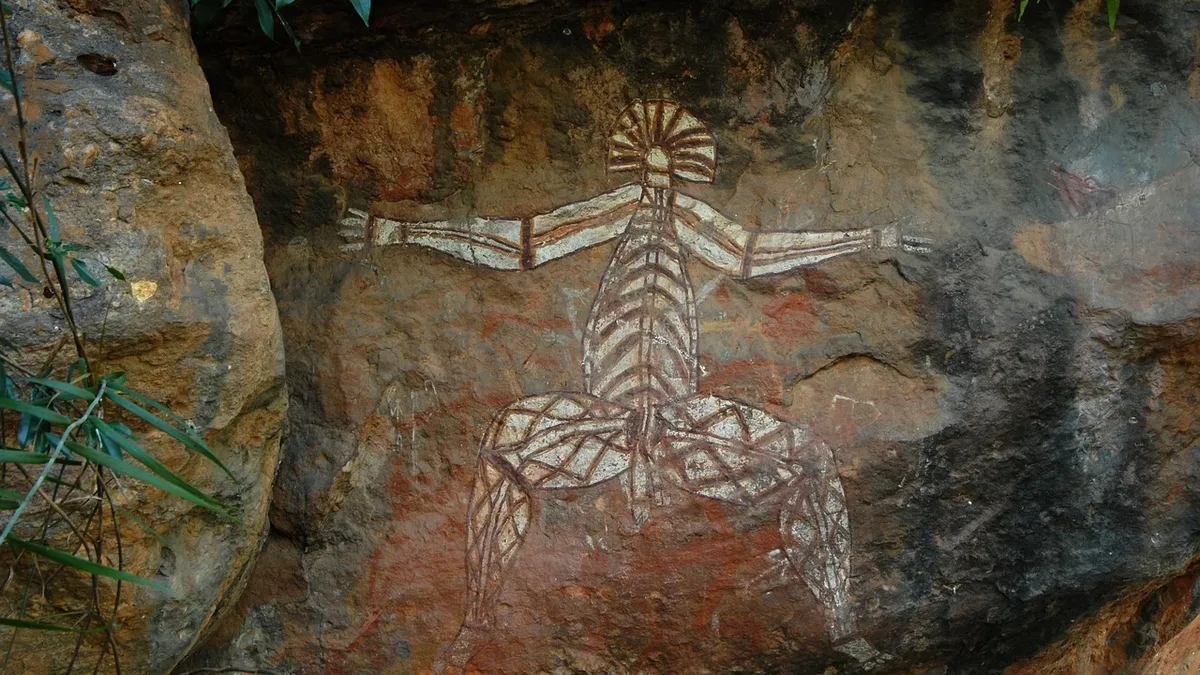
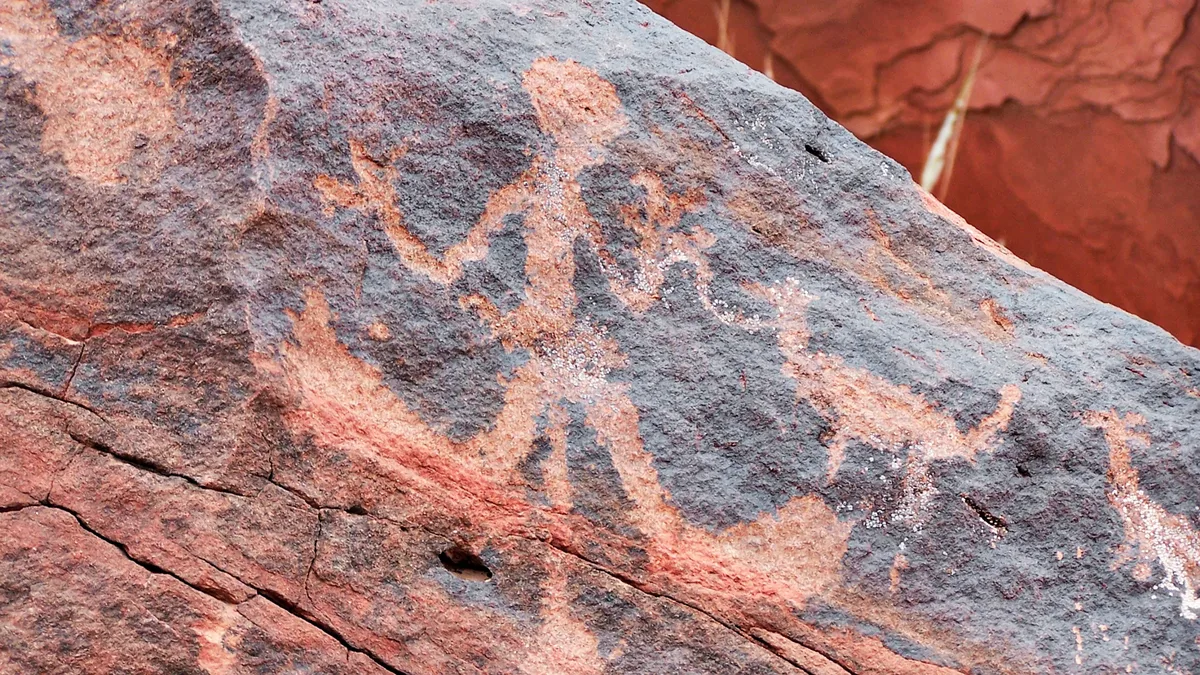
Archaeologists have documented more than 160 rock art sites in the Awunbarna region of western Arnhem Land, Australia. A new study suggests massive paintings from the nineteenth and twentieth centuries, including life-size animals and 20-foot-long ancestral beings, were created in response to European colonization.
Led by archaeologist Paul Taçon of Griffith University, the research team worked with senior Amurdak Traditional Owner Charlie Mungulda. They recorded the extensive imagery across the landscape. Awunbarna was historically a focal point for trade, ceremonies, and social gatherings among various Aboriginal language groups, according to Taçon.
The Scale and Subjects of the Art
The recorded artworks are notable for their large size. They include seven-foot-long pythons, life-size depictions of crocodiles and kangaroos, and representations of Rainbow Serpents measuring approximately 20 feet in length. In total, the team documented 29 images of Rainbow Serpents at 21 of the 165 surveyed sites.
Many of these large images were painted over older artworks using white pipe clay. This material is known to fade over a period of a few hundred years. The practice of superimposing new art on old panels indicates a continued, evolving use of the sacred sites.
Connection to Colonial Disruption
The late nineteenth century saw the start of the colonial buffalo-shooting industry in the Awunbarna area. Taçon notes this brought immense changes to the region. The research proposes that the creation of these powerful, large-scale images was a cultural response to this period of rapid upheaval.
Rainbow Serpents are ancestral beings central to Aboriginal belief systems. They are described as beings who can fold time, connecting the Dreamtime of the past with the present. They are also powerfully linked to concepts of change and learning to manage it.
Art as a Source of Stability
Paul Taçon explained the potential role of this art. "As the most powerful of all Ancestral Beings, the Rainbow Serpent was a potent force that could be used, through depictions, stories, and ceremonies, to help give Aboriginal people some stability and control over their destiny in rapidly changing times by reinforcing traditions," he said.
The act of depicting these immense ancestral figures may have been a way to assert cultural continuity and resilience. The study.org and published in Australian Archaeology*, posits that the art served as a means to cope with and exert some control over the destabilizing forces of colonization. The research offers a new perspective on how material culture reflects adaptation and resistance during a major historical period.