Maya Elite Deposited Ancestral Teeth in Distant Cave Burials
A Maya woman's burial in Bats'ub Cave, Belize, contained 226 teeth from at least 39 individuals, linking elite mortuary practices across sites 16 miles apart through genetic analysis.
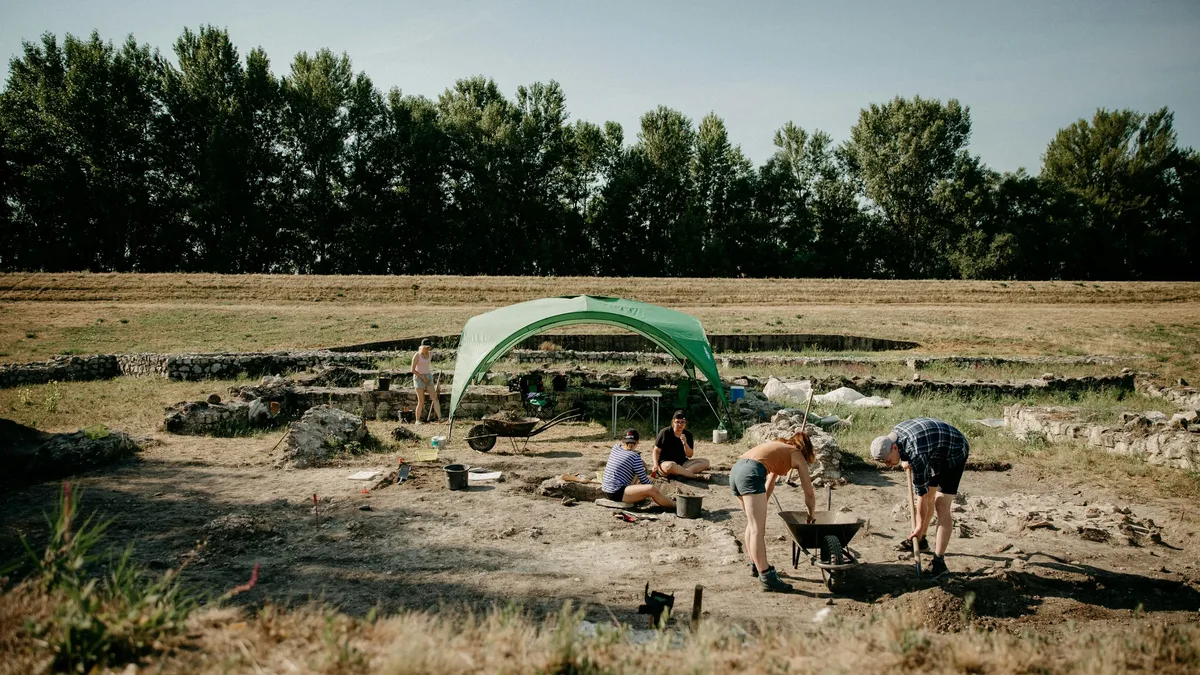
Archaeologists have recovered 226 human teeth from the burial of a Maya woman in Bats'ub Cave in southern Belize. The teeth, found scattered around her pelvis and upper spine, belonged to at least 39 different individuals and were deposited over centuries, linking elite family tombs from a site 16 miles away.
Genetic sequencing identified the teeth as belonging to ancestors buried more than 16 miles (26 kilometers) from the cave. The research, led by Keith Prufer of the University of New Mexico, analyzed 430 human skeletal and tooth samples from Maya tombs and caves. It revealed that teeth from the same individual were recovered from multiple, geographically distant sites.
Ancestral Connections Across Distance
The study maps a network of elite ritual movement. Of the 107 individuals identified from elite and non-elite tombs in Belize, 24 were also buried in elite family tombs at Muklebal Tzul, the site 16 miles from Bats'ub Cave. More than 20 of these individuals had skeletal elements scattered across elite tombs and ritual tooth caches in distant locations.
This shows Maya elites traveled to the remote cave shrine to deposit teeth from dead relatives or themselves. The burial of the woman herself took place between 250 and 400 CE, but the first tooth offering was left more than 100 years later. People continued leaving teeth in the cave for over two hundred years.
Elite Ritual Practices
The burial itself was a complex elite ritual. The woman was decapitated after death, and her head was replaced with a ceramic bowl containing a single jade bead. This arrangement may recreate an underworld scene from the Maya creation story, mirroring imagery found on other grave goods.
Caves were considered sacred access points for connecting with ancestors. The practice of burying bones in different places was reserved for elite members of society. Such cave burials have been theorized to represent either reverential interments or sacrificial deaths.
Genetic Family Tree
Genetic analysis by David Reich and Esther Brielle of Harvard University provided the familial links. Their work screened 487 samples to build the story from disarticulated remains. They reconstructed three distinct lineages spanning four, six, and eight generations.
The findings prove elite Maya society was patrilineal. Genetic evidence shows women married into male family lines, moving between communities while men typically stayed in place. This patrilineal structure facilitated the maintenance of ancestral connections across generations through rituals like tooth caching.
The study is currently a preprint on bioRxiv and has not yet undergone peer-review. Keith Prufer presented the work at the Society for American Archaeology's annual meeting.