Bronze Age Defensive Wall Discovered at Morocco's Oued Beht
A 4,000-year-old defensive wall in north-west Morocco, discovered at Oued Beht, dates to 3,500-4,000 years ago and represents the earliest confirmed defensive construction in north Africa outside Egypt.
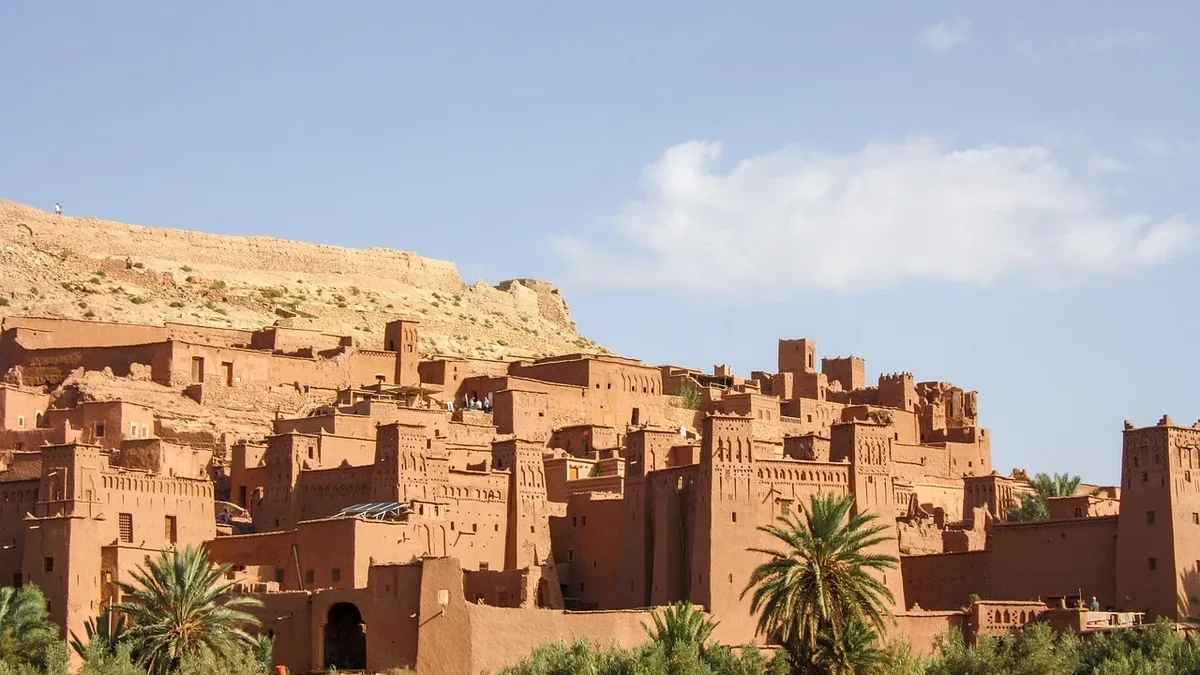
A 4,000-year-old fortified structure on a narrow ridge in Oued Beht represents the earliest large defensive construction in North Africa outside Egypt. Its initial construction dates to approximately 4,000 to 3,500 years ago, placing it in the Bronze Age of the western Mediterranean. The structure, built across a narrow section of the Oued Beht ridge between a river and a ravine, includes a moat, rampart, and wall designed to cut off and protect the ridge's southern edge.
Radiocarbon dating confirms the initial construction in this period. The structure's exact purpose is unknown, but researchers suggest it may have been linked to competition for land and resources or to controlling movement through the territory. The site was first documented by French archaeologist Armand Ruhlmann in the 1930s, but recent excavations have revealed its full significance.
Extensive settlement and craft production at the site
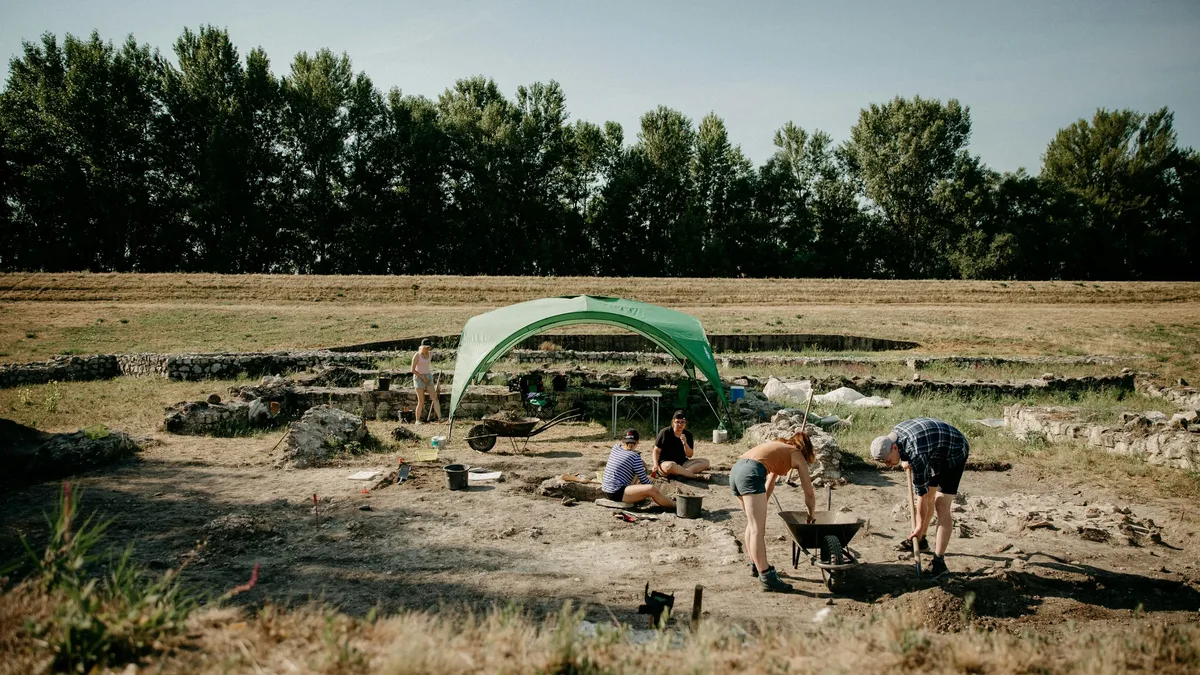
The 10-hectare site shows evidence of long-term occupation, large-scale construction, and specialized craft production. Significant human activity is confirmed across at least 10 hectares. The scale of construction required considerable planning and coordination.
The community at Oued Beht was an important center of craft production. Thousands of polished stone axes, other tools, and painted pottery were found. This was a farming community that cultivated barley and wheat, exploited wild plants, and kept livestock. Occupation began even earlier, from 5,400 to 4,900 years ago, with a major phase in the middle of the 4th and beginning of the 3rd millennium BCE, during the Final Neolithic period.
Multi-period use and medieval reuse of the site
The location saw significant reoccupation centuries later. Between the 11th and 13th centuries AD, the site was used again. The ancient defensive system was rebuilt during this medieval period.
A hamlet or farm was established on a nearby hilltop. People were buried in a cemetery arranged between the prehistoric and medieval areas. This demonstrates the site's enduring strategic importance in the landscape of northwestern Morocco.
Evidence of complex societal organization and Mediterranean connections
The discovery suggests north-west African societies in the Maghreb region were more complex and structured than previously believed. The findings indicate sophisticated planning and regional trade links.
Connections existed between communities in northwestern Africa and broader Mediterranean networks, including present-day Spain and Portugal. Giulio Lucarini, a researcher involved, said: "A remarkable 4,000-year-old defensive structure discovered in Morocco is rewriting what scientists thought they knew about ancient North African civilizations."
The site is described as an important hub. It remains unclear whether Oued Beht was a permanent settlement or a seasonal center. The structure's strategic position allowed it to control movement between the river and the ravine on the Oued Beht ridge.