Society For American Archaeology
| Founded | 1934 |
|---|---|
| Headquarters | Washington, D.C. |
| Members | 7,500 (as of 2019) |
| Primary focus | Archaeology of the Americas |
| Key publication | American Antiquity |
| Annual event | Major academic conference |
Overview
The Society for American Archaeology (SAA) is the primary professional organization for archaeologists focused on the Americas. Its mission is to expand understanding of the human past through systematic investigation of the archaeological record. The SAA promotes research, stewardship of archaeological resources, public and professional education, and the dissemination of knowledge. It serves a diverse membership that includes professional archaeologists, students, and interested members of the public. The organization is headquartered in Washington, D.C., and organizes a major annual academic conference. It also publishes several peer-reviewed journals and a magazine dedicated to archaeological practice and findings.
History
Its establishment occurred during a period when archaeology in the Americas was becoming increasingly professionalized as a scientific discipline. The first annual meeting of the SAA took place in December 1935 in Andover, Massachusetts, setting a precedent for yearly gatherings that has continued with only one interruption. That interruption was the 1943 annual meeting, which was conducted by mail due to travel difficulties and wartime restrictions during World War II. Throughout its history, the SAA has played a central role in shaping archaeological ethics, methods, and theory in the Americas. Its growth reflects the expansion of archaeological work across the continent and the increasing diversity of its practitioners. The organization's history is documented through its continuous publication record and the proceedings of its annual meetings.
How it works today
Today, the Society for American Archaeology operates through a governance structure led by an elected president and a board of directors. Membership is open to professionals, students, and avocational archaeologists, with membership categories determining voting rights and subscription benefits. The organization's work is carried out through numerous standing committees that address areas such as ethics, government affairs, publications, and student affairs. A major function of the SAA is organizing its large annual conference, which rotates locations across North America and features hundreds of scholarly presentations, symposia, and workshops. The SAA publishes several key scholarly journals, including *American Antiquity*, *Latin American Antiquity*, and *Advances in Archaeological Practice*, as well as its membership magazine, *The SAA Archaeological Record*. It also develops and maintains ethical guidelines for the profession and engages in public policy advocacy related to cultural heritage.
Why it matters
The Society for American Archaeology matters because it sets the professional and ethical standards for archaeological practice in the Americas. It provides a vital forum for the exchange of research findings and methodological advances through its conferences and publications. The organization plays a crucial role in advocating for the protection and preservation of archaeological sites and collections against looting, development, and neglect. It fosters the training and development of new generations of archaeologists through student programs, awards, and networking opportunities. By promoting public education and outreach, the SAA helps bridge the gap between professional archaeology and the broader public interest in the past. Its collective voice is significant in shaping national and international policies regarding cultural heritage management.
Common misconceptions
Another misconception is that membership is restricted to academics with advanced degrees, while in reality the SAA has membership categories for students, avocational archaeologists, and other interested parties. Some may believe the organization's annual meeting is a small gathering, when it is actually one of the largest regular archaeology conferences in the world, attracting thousands of attendees. It is also incorrect to assume the SAA's role is purely academic, as it is actively involved in practical issues of cultural resource management, legislation, and ethics. The society's publications are sometimes thought to be inaccessible, but they include practitioner-focused content and a magazine designed for a broad readership. Finally, the SAA is not a government agency or a funding body, but a member-driven professional association that relies on dues and conference revenues to operate.
Latest Society For American Archaeology news
Latest reporting
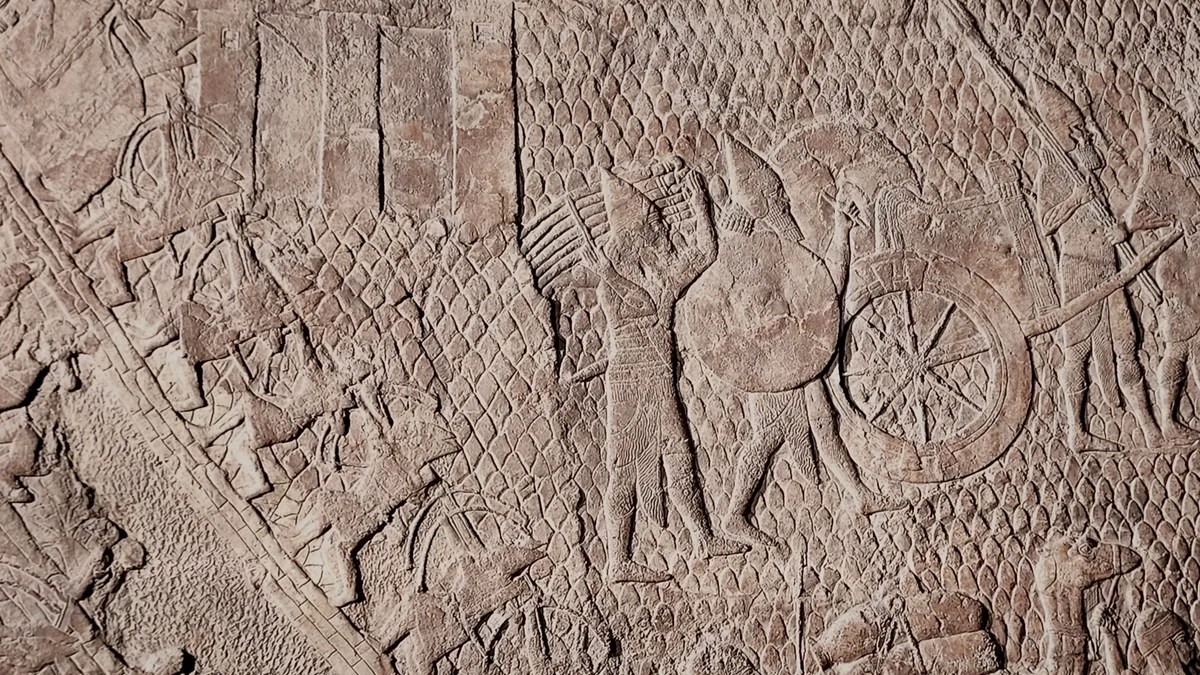
Rogan Plate Challenges Gender Assumptions in Mississippian Society
A 700-year-old copper plate from Etowah, Georgia, may depict a female or two-spirit warrior, reshaping interpretations of gender roles in...

Earliest North American dwelling reveals dog domestication clues
Archaeologists have uncovered the oldest known dwelling in the Western Hemisphere at a 13,800-year-old site in Alaska, with evidence suggesting early...
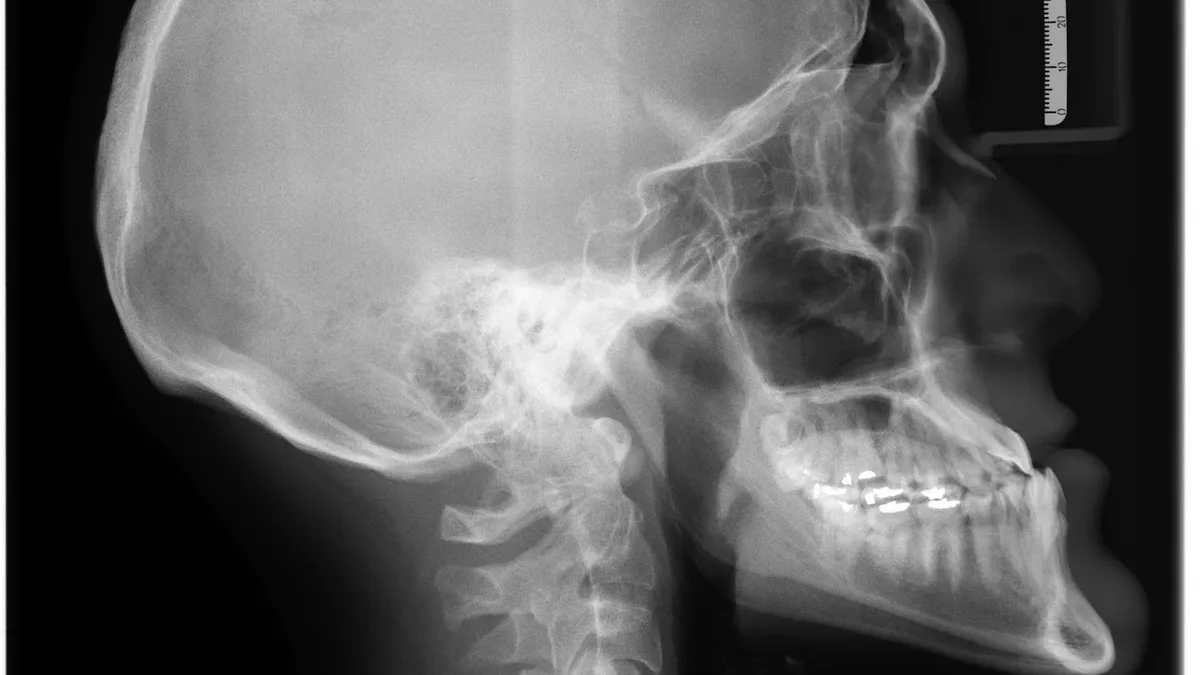
Punín-2 Facial Reconstruction Reveals 3,000-Year-Old Andean Man
A digital facial reconstruction of the Punín-2 skull, from Ecuador's Andes, depicts an Indigenous American man who lived roughly 3,000 years ago.
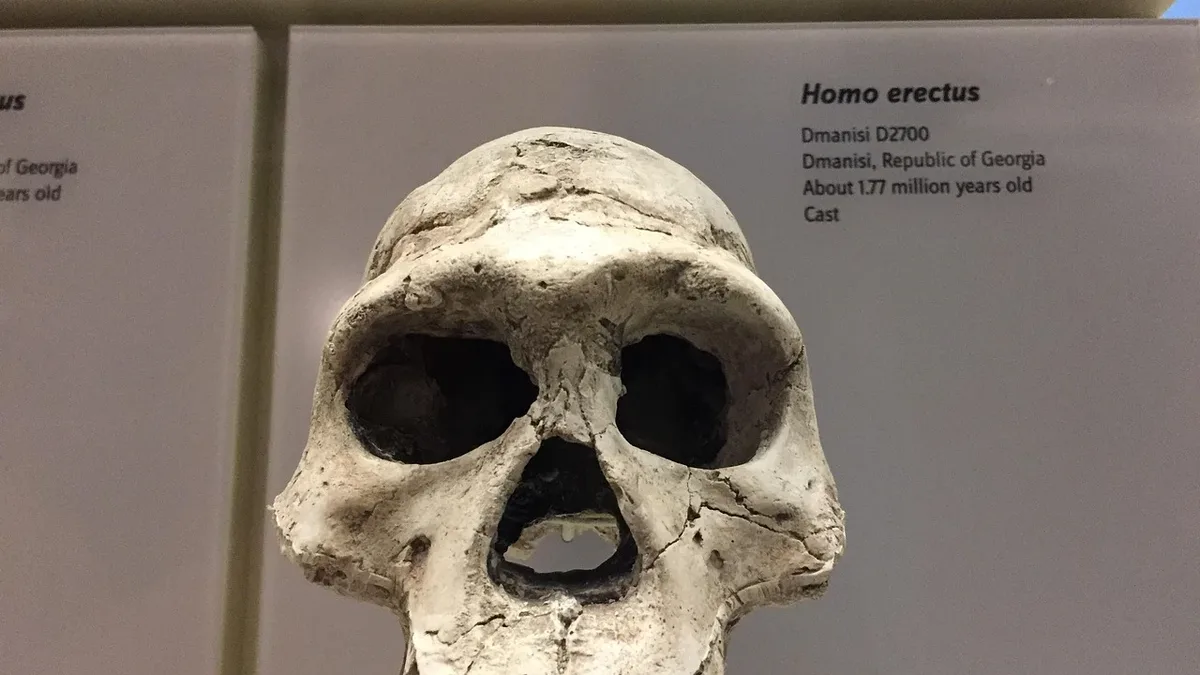
Punin-2 Facial Reconstruction Reveals Indigenous American Features
A forensic facial reconstruction of the 3,000-year-old Punin-2 skull from Ecuador, created with local community input, shows clear Indigenous...

Viking Museums Struggle to Move Beyond Warrior Myth
Scandinavian national museums are attempting to present a more complex view of Viking society, highlighting farmers, traders, and women.
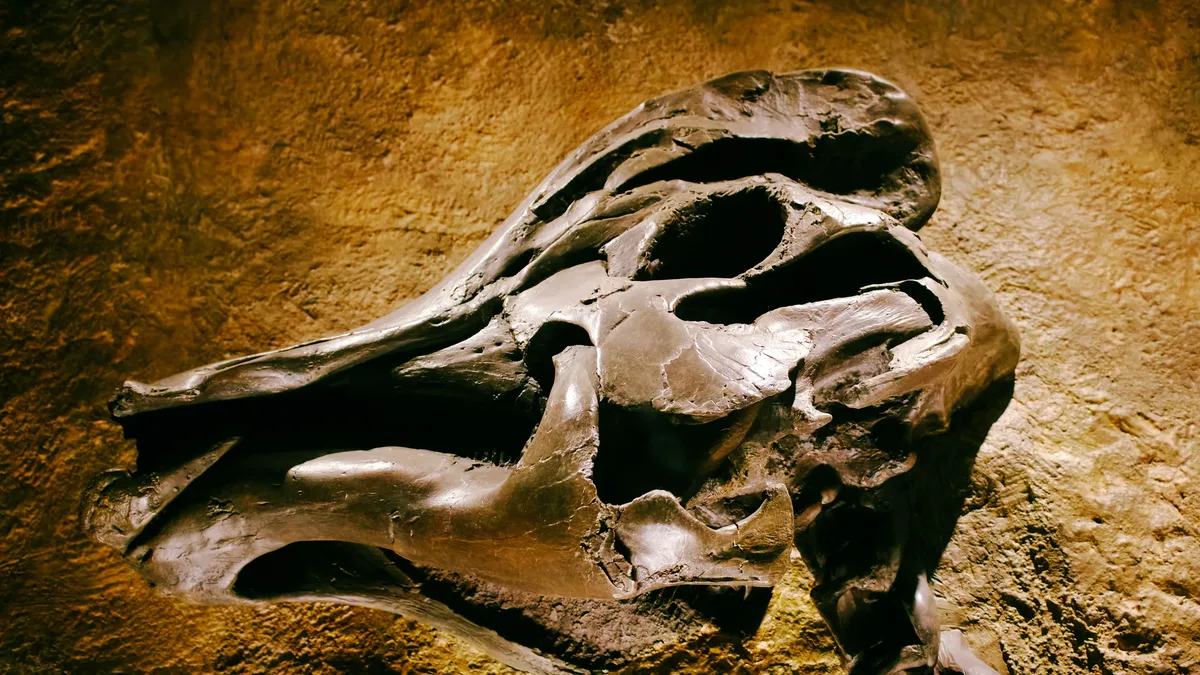
Dinodontosaurus isiyavamanda fossil links African and South American rocks
A 240-million-year-old dicynodont fossil from Tanzania, stored in London for over 60 years, is a new species that links African and South American...