Denisovan Arm Bone Found in Chinese Cave After 100,000 Years
Archaeologists have identified the first Denisovan forearm bone among fossils and tools in a southwest China cave, revealing new details about their
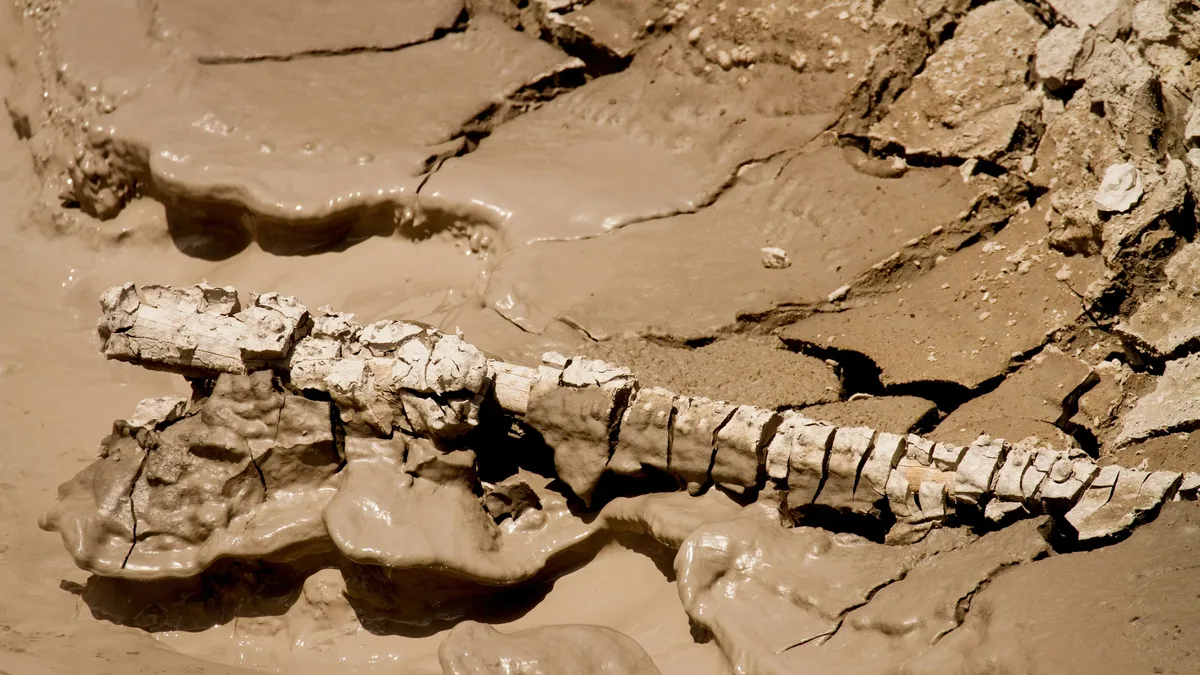
Anthropologists have discovered the first-ever Denisovan arm bone in a cave in southwest China. The find, alongside thousands of animal bones and stone tools, confirms the enigmatic human lineage thrived at the site for over 100,000 years.
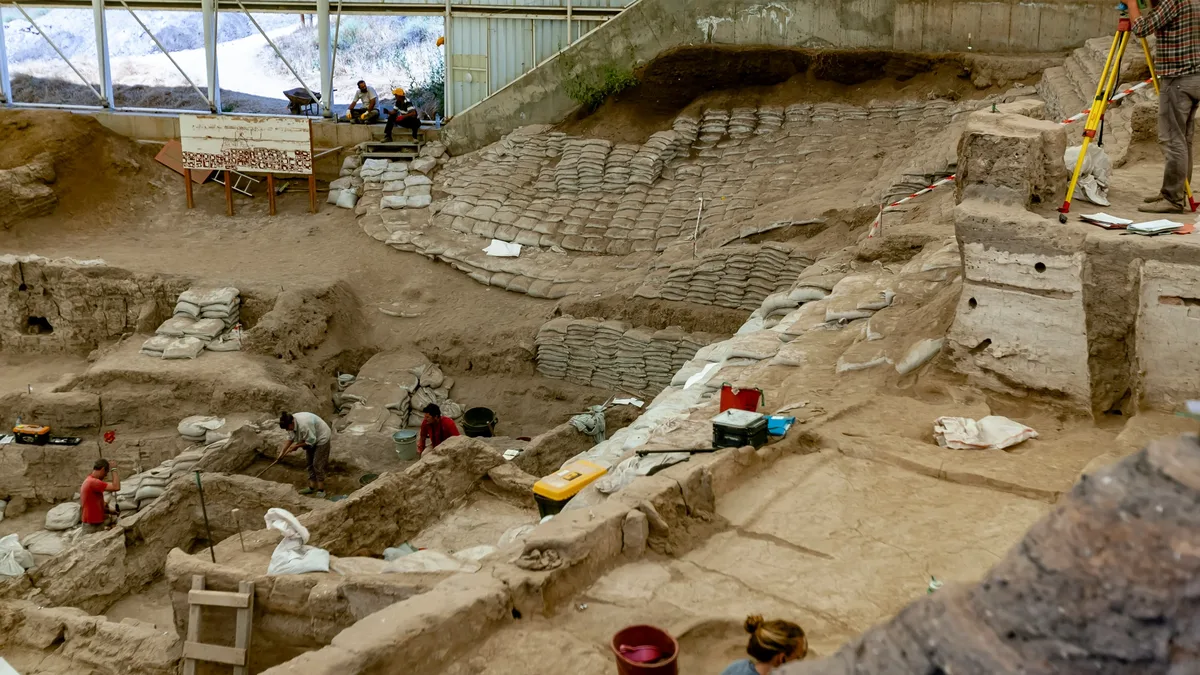
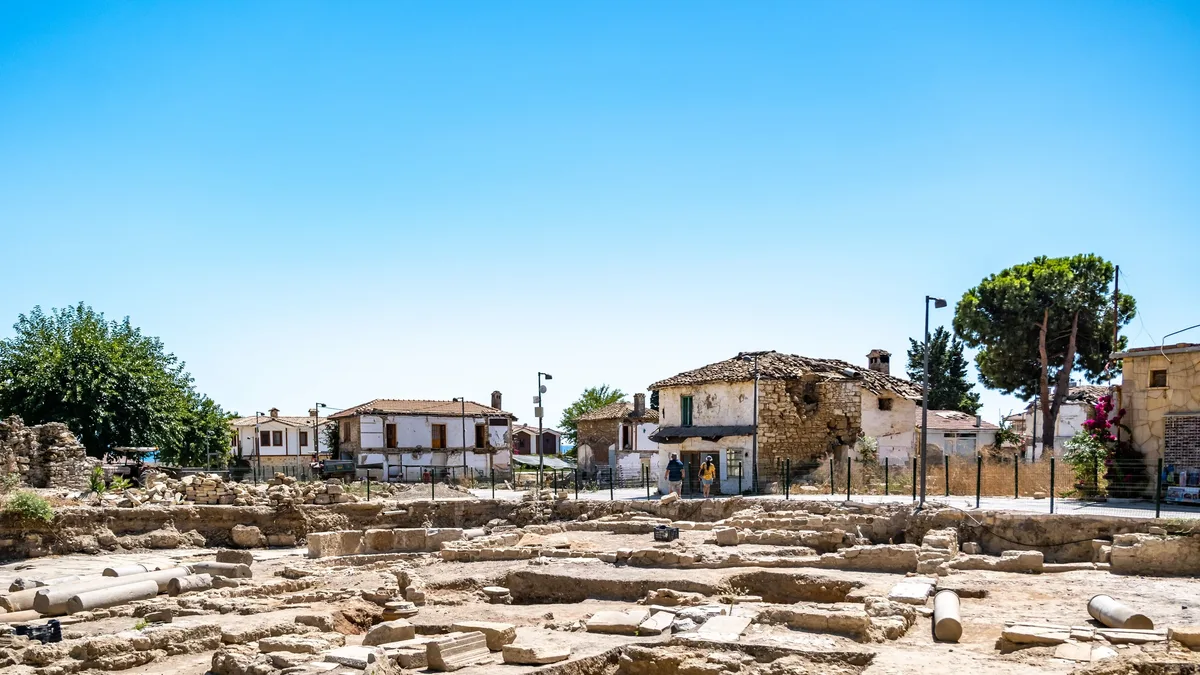
Researchers detailed the excavation of Bianfu Cave in Yunnan province in two studies published in the journal Nature. The cave yielded five human fossils, nearly 1,400 stone artifacts, and more than 64,000 mammal bones. Analysis dates the cave's use from 190,000 to 70,000 years ago, with the human remains placed between 134,000 and 167,000 years old.
Identifying the Denisovan Remains
Scientists used a protein analysis technique called ZooMS to screen bone fragments from the cave. This method extracts collagen and compares its protein pattern to known species. Three fragments matched the Homo genus. Further proteomic analysis on two teeth and three bones revealed a specific amino acid variation linking them to Denisovans.
One of these bones was a fragment of a radius, a forearm bone. This is the first Denisovan radius ever found. Previously, only a tiny finger bone and a rib fragment represented their postcranial remains. Study co-author Qiaomei Fu noted the radius's large head resembles Neanderthals, but its overall shape is more similar to modern humans. "This likely provided functional advantages for lightweight, precise manipulation," Fu told Live Science.
The Denisovan Tool Kit and Diet
Of the nearly 1,400 stone artifacts recovered, about 200 were flake tools, many made from locally available sandy mudstone. Cut marks on numerous animal bones show these tools were used for hunting, butchering, and extracting marrow. The evidence points to a diet focused on large, cow- and deer-like animals in a forested environment.
The stone tools appear less sophisticated than contemporary Neanderthal tools, crafted quickly for efficiency. However, the Denisovans at Bianfu Cave also made bone tools, a practice shared with Neanderthals. The researchers suggest bone tool use may have been more widespread among Pleistocene human groups than previously thought.
Implications and Future Research
The unique forearm bone suggests Denisovans in this region had different biomechanical demands and behavioral adaptations. The studies significantly expand the known material culture of Denisovans, moving beyond the handful of skull and tooth fragments previously discovered.
More work is needed to fully understand this lineage. In their paper, Huiyun Rao and colleagues expressed hope that similar proteomic analyses will identify more Denisovan long bones. This would help experts understand how Denisovans adapted to climate change or competition from other hominins. The the need to better explore the human evolutionary record of eastern Asia.