Cave Sanctuary in Spain Yields Highest Number of Latin Inscriptions in Roman Empire
A cave in eastern Spain has revealed a treasure trove of Latin inscriptions, including references to a mysterious goddess known as 'the Lady'
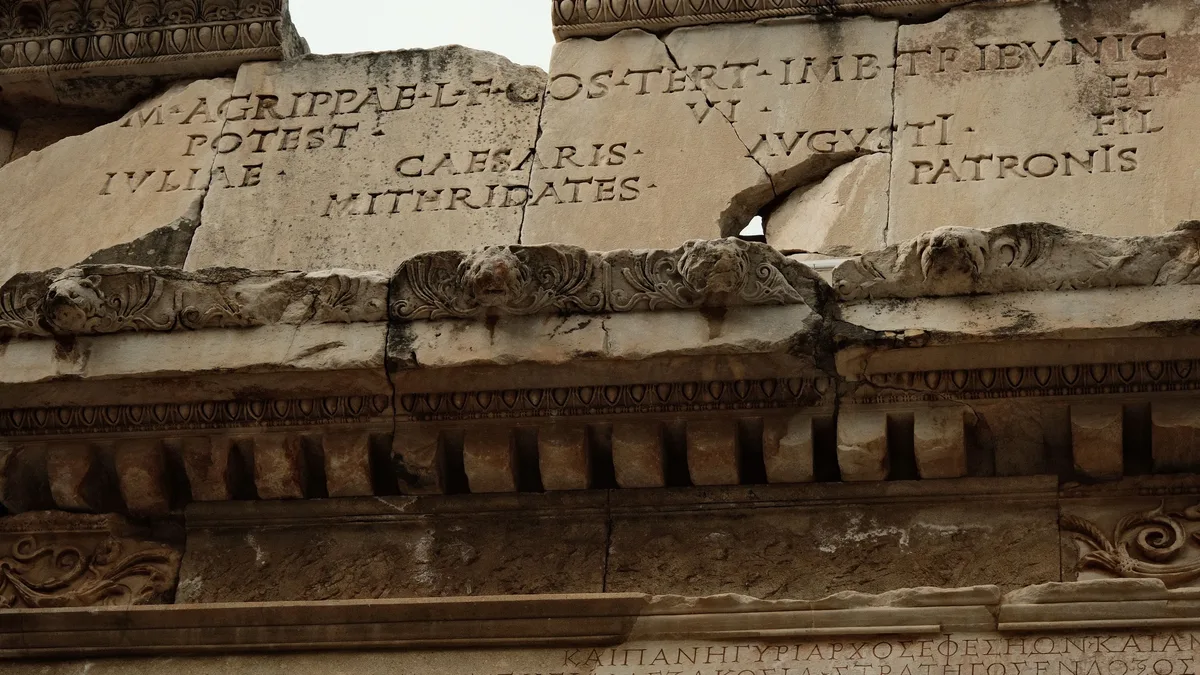
The discovery of over 120 Latin inscriptions in a cave in Valencia, Spain, has shed new light on the ritual lives of Roman women. The inscriptions, found in the Cova de les Dones, or Cave of the Women, are the highest number known anywhere in the Roman Empire. Five of the inscriptions mention a previously unknown goddess referred to as 'the Lady', or Domina.
Introduction to the Cave Sanctuary
The cave, located near Valencia on Spain's east coast, was excavated in 2026, and the findings significantly expand the number of known writings from the site. The inscriptions, which mostly date to the first and second centuries A.D., were found on the walls and ceilings of a deep cave chamber, known as the Roman Sanctuary. According to Sergio García-Dils, an archaeologist and speleologist, the concentration of texts in a specific area of the cave confirms that it is an organized cult.
The Mysterious Goddess
The new inscriptions provide some insight into the identity of the mysterious goddess. Five of the 120 inscriptions refer to Domina, while three of those include the name 'Malaci', which may be an epithet for the goddess. Silvia Alfayé, a professor of ancient history, suggests that the goddess may have had a specific aspect, perhaps related to water. The Roman Sanctuary chamber features small natural pools, called gours, which collect groundwater, and visitors appear to have deposited offerings in these pools.
Evidence of a Goddess-Worshipping Cult
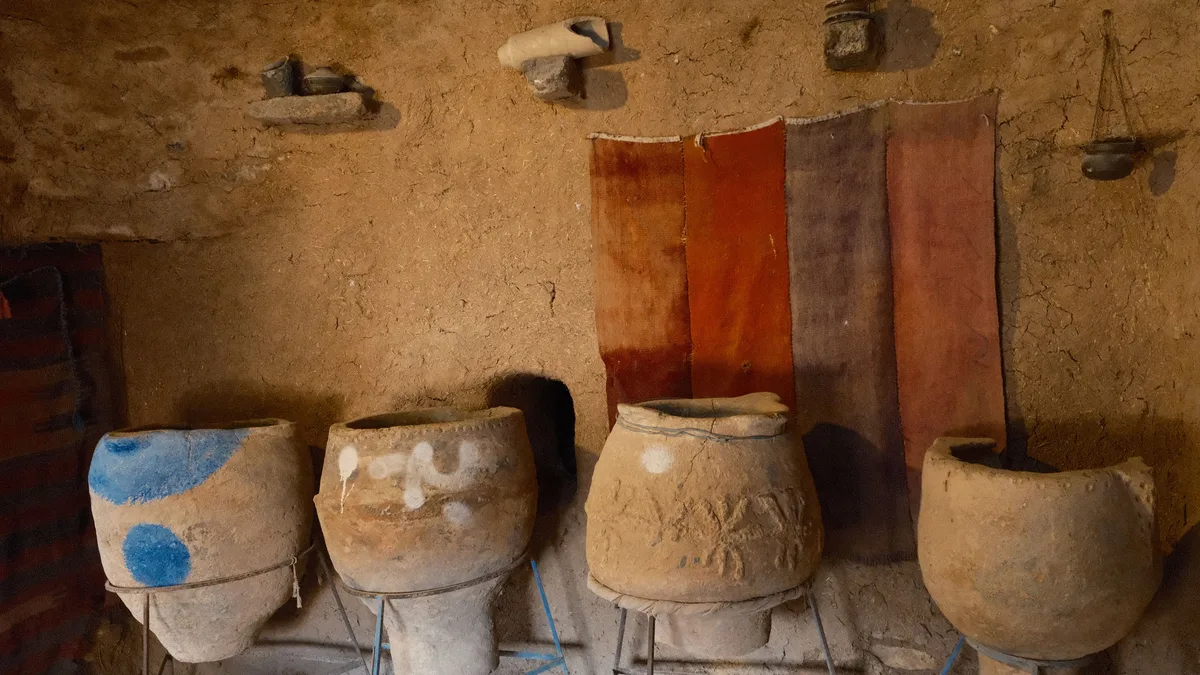
The researchers also found various archaeological materials in the cave, including chalice-shaped vessels, rings, a bracelet, ceramic fragments, plant remains, and spindle whorls associated with textile-making. The combination of inscriptions and artifacts suggests that women may have participated directly in ceremonies or offerings at the cave. Several inscriptions contain female names, and the presence of spindle whorls and other artifacts connected with ancient women supports the idea that women played an active role in the cult's rituals.
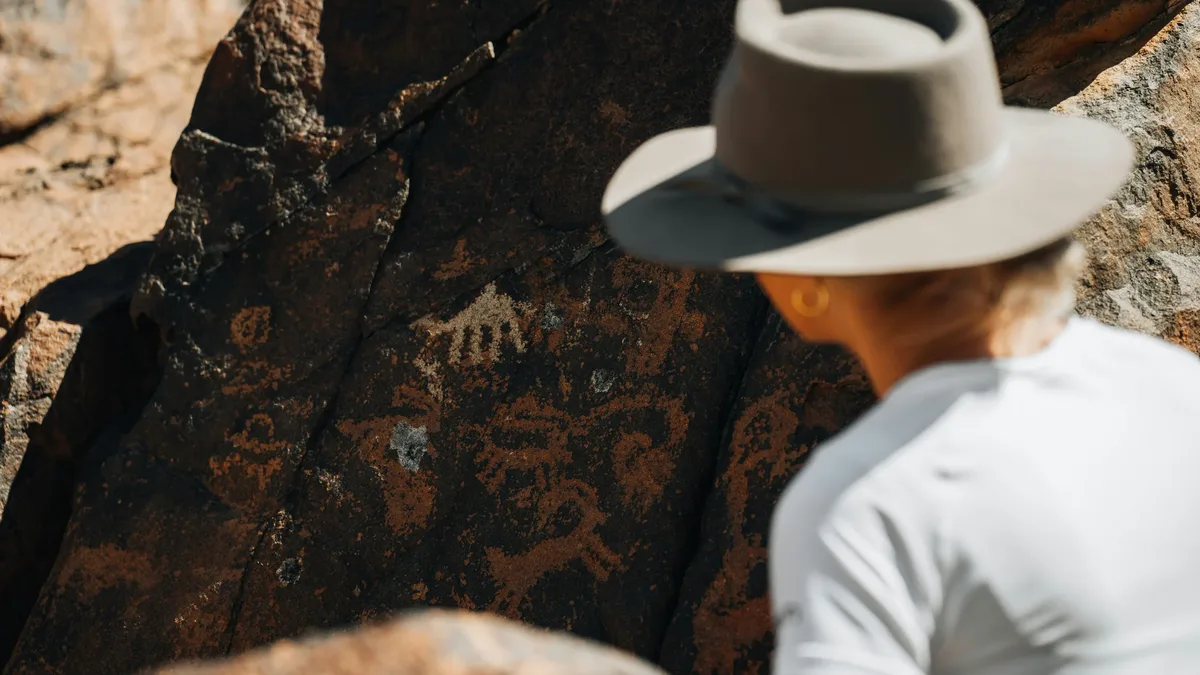
The discovery of the inscriptions and artifacts in the Cova de les Dones adds to the cave's rich archaeological history, which includes over 100 Paleolithic paintings and engravings, some dating back more than 24,000 years. The new finds suggest that the cave has been a landmark for human groups inhabiting the territory for millennia, perhaps due to its permanent presence of water, unique underground landscape, or easy access.