Homo floresiensis pelvis study reveals similarity to Pleistocene humans
A new analysis of the 'hobbit' hip bones shows their pelvis was statistically similar to other Pleistocene humans.
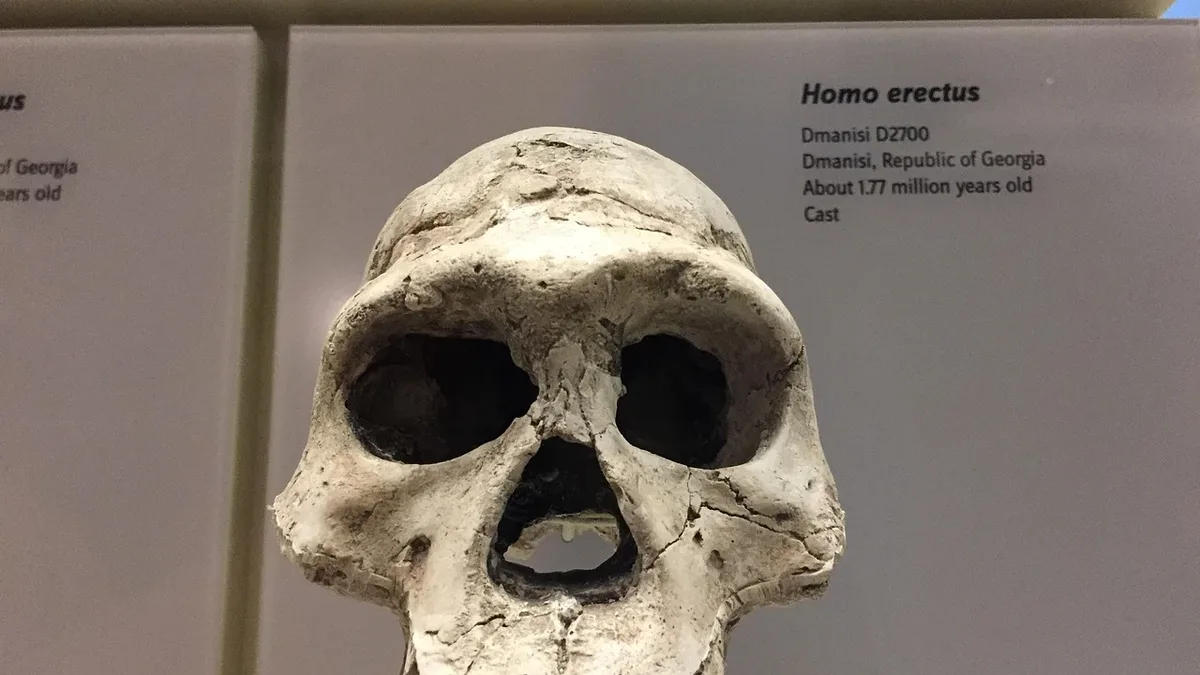
The pelvis of Homo floresiensis, the extinct human relative nicknamed the 'hobbit,' was statistically similar to other Pleistocene human species like Homo erectus. This finding, published on August 25 in the American Journal of Biological Anthropology, indicates the species likely walked upright in a manner markedly similar to humans, though not as quickly or for as great a distance. The research, led by biological anthropologist Kristi Lewton of the University of Southern California, analyzed the hip bones of the LB 1 specimen, an adult female who stood about 3.5 feet tall and lived on the Indonesian island of Flores between 100,000 and 60,000 years ago.
Lewton and her colleagues sought to determine whether the hobbits' anatomy aligned more closely with earlier australopithecines, like the famous 'Lucy,' or with other members of the genus Homo. The study focused on a characteristic called iliac flare, which measures how much the hip bones flare out from the trunk. A pronounced flare is associated with australopithecines and less efficient bipedal walking.
Resolving Contradictory Measurements
Previous attempts to quantify iliac flare in human relatives often produced contradictory results. The new study created a quantifiable measure and compared pelvic bones across a range of species. The team examined chimpanzees, gorillas, australopithecines, and both living and extinct human species.
Their analysis placed the LB 1 pelvis firmly within the range of other Pleistocene humans. "Based on just the hip bones, Homo floresiensis looks generally like humans and other genus Homo species and probably could have moved a lot like humans," Lewton told Live Science. However, she noted the species "was not a particularly fast biped and was not traveling long distances."
A Mosaic Anatomy and Evolutionary Origins
The hobbit's skeleton is a mosaic of primitive and modern traits. Its hand bones resemble those of australopithecines, while its shoulders are more human-like. The new pelvic data adds another human-like feature to the mix. Caley Orr, a paleoanthropologist at the University of Colorado Denver not involved in the study, said the results are consistent with his team's own quantitative comparison published last year, which also found the LB 1 pelvis to be mostly human-like.
Orr added that the findings highlight considerable variability in early human skeletons but leave the hobbits' origins ambiguous. The study authors note the results support two main hypotheses for the species' evolution. The first is that H. floresiensis descended from H. erectus that arrived on Flores and underwent insular dwarfism. The second is that they evolved from an earlier, smaller-bodied radiation of an unknown Pleistocene Homo species.
Lewton suggested genetic analyses, including studies of ancient proteins, might eventually help resolve the question. "But this question is probably not going to be resolved any time soon," she said. The research deepens the mystery of a species that, despite its human-like pelvis, lacked evidence for hunting and fire use, setting it apart from Homo sapiens.