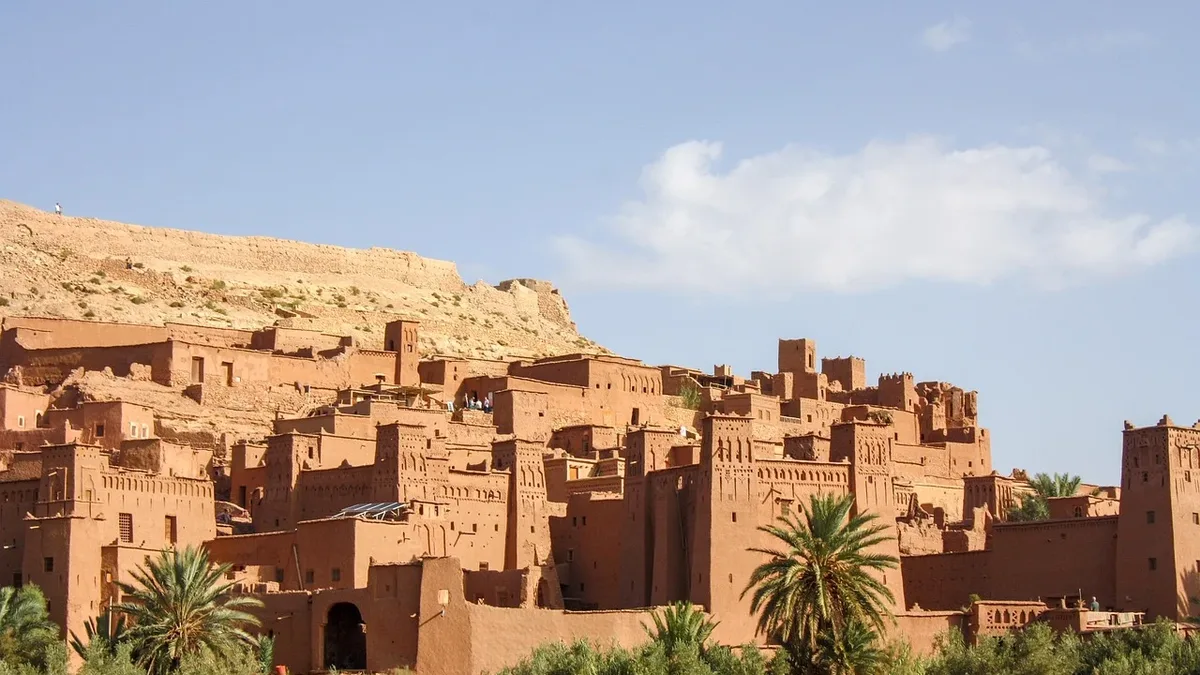
Neanderthals May Have Trekked Through Saudi Arabian Desert
New research suggests Neanderthals may have lived in the Arabian Peninsula 55,000 years ago, farther south than previously thought.
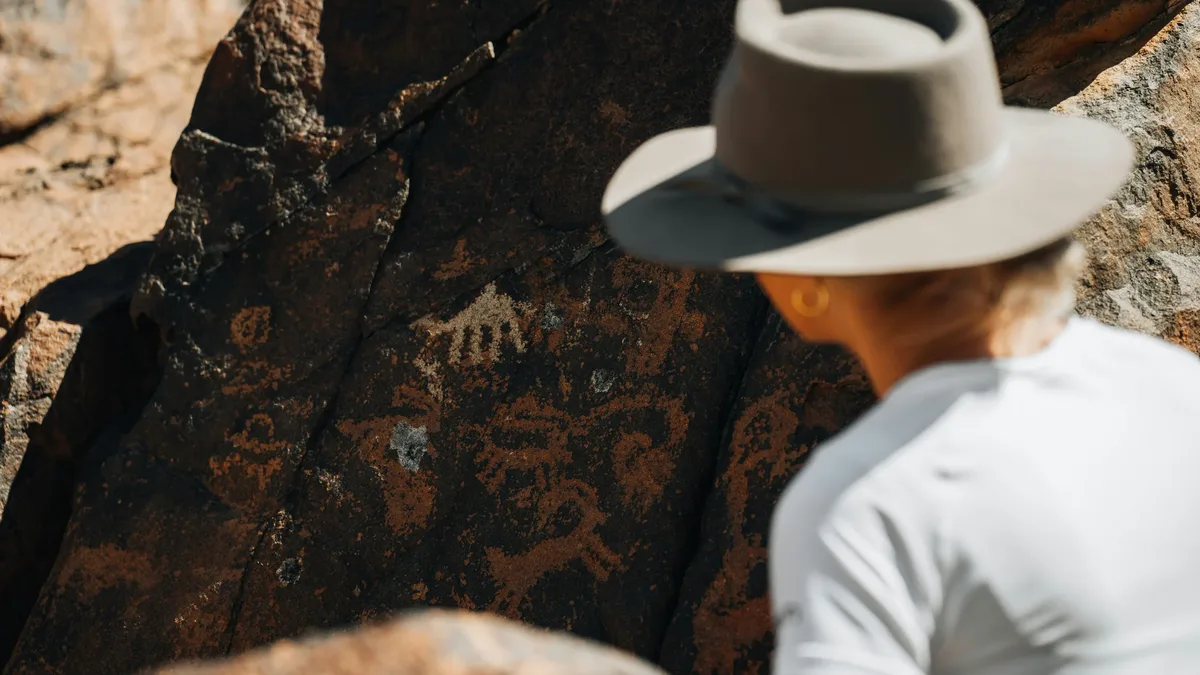
The discovery of stone tools at a lakeside site in Saudi Arabia has led researchers to believe that Neanderthals may have trekked through the Saudi Arabian desert 55,000 years ago. This finding extends the known range of Neanderthals much further south than previously thought, and into more open environments.
Introduction to the Research
The research, published in the journal Quaternary Science Reviews, focused on stone tools discovered at Jebel Katefeh-1, an archaeological site beside an ancient lake near the city of Jubbah, in Saudi Arabia's Nefud Desert. The tools were found to more closely match those made by Neanderthals than those crafted by Homo sapiens.
Analyzing the Stone Tools
The researchers measured hundreds of sharp pieces of tools struck from a carefully prepared stone core from the site and other locations across Arabia, the Levant, and northeast Africa. Using statistical techniques, they compared the flakes' shapes across time and space, and created a model to help identify whether a group of stone tools was made by Neanderthals or H. sapiens.
Dating the Tools
The team dug a new trench at the site and dated grains of sand from the soil using a method called optically stimulated luminescence. This revealed that the tools were made around 55,000 years ago, just as the desert was turning wetter. The researchers believe that Neanderthals were the only group living in southwest Asia at that time, and that the tools' shape and date suggest they were made by Neanderthals.
The researchers' findings are based on the unique shape of the stone flakes, and the fact that the tools were discovered in a layer where older desert sand gave way to younger lake sediment. While the evidence is circumstantial, and no Neanderthal bones have been found in Arabia, the researchers believe that the stone tools provide a window into the region's deep past.
| Site | Location | Toolmaker |
|---|---|---|
| Jebel Katefeh-1 | Saudi Arabia | Neanderthals |
| ALM-3 | Saudi Arabia | Neanderthals |
| Other sites | Arabia, Levant, northeast Africa | H. sapiens or Neanderthals |
The new dates suggest that the Neanderthal foray into Arabia may be linked to a shift in climate, with the wet spell drawing grazing animals into the desert interior, and Neanderthals following them. However, the underlying assumptions deserve scrutiny, and several comparison sites used in the computer model are surface sites, where artifacts can accumulate over vast stretches of time.
While the evidence is not yet conclusive, the researchers believe that the stone tools provide a compelling case for a Neanderthal presence in northern Arabia. Further research is needed to confirm this conclusion, but the discovery of the stone tools has shed new light on the possible range and adaptability of Neanderthals.