Ophel Ritual Bath Complex Reveals Second Temple Pilgrimage
Archaeologists have uncovered a monumental complex of three ritual baths and a large pool at Jerusalem's Ophel, dating to the late Second Temple period.
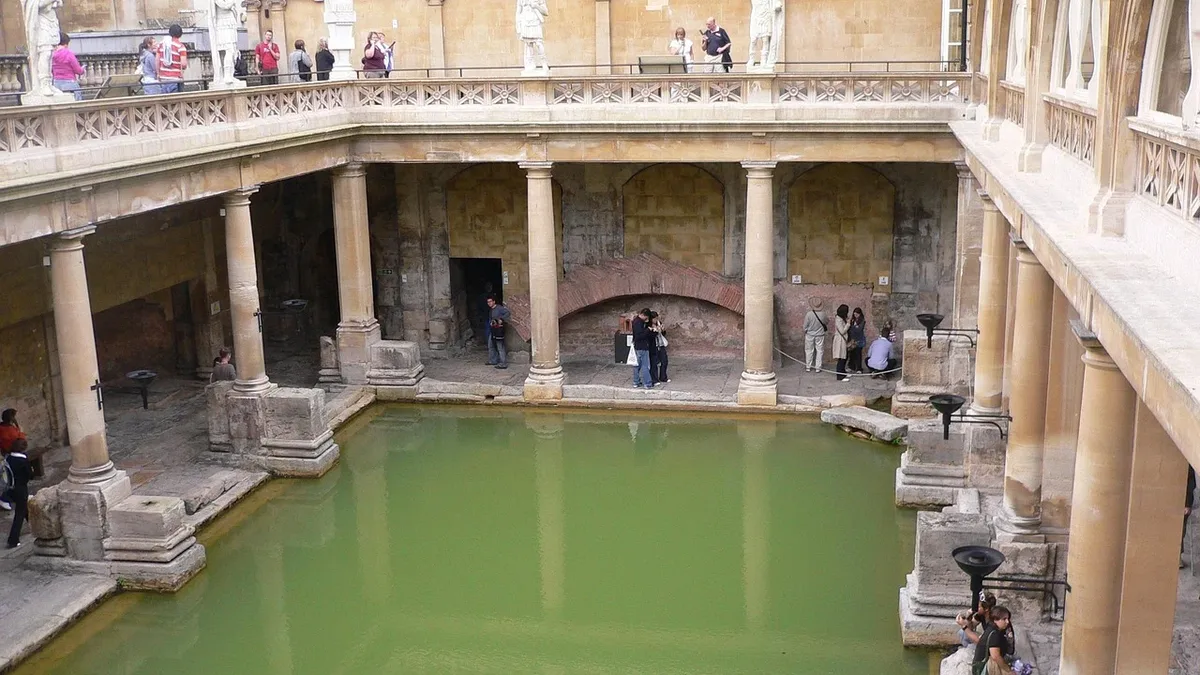
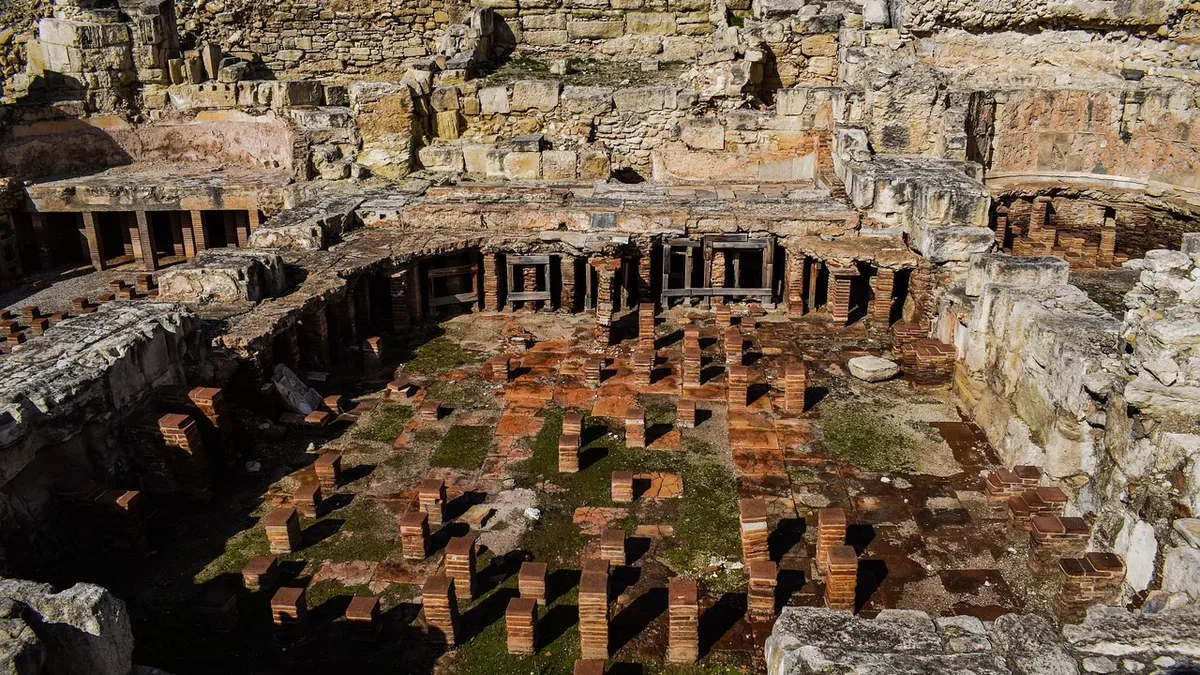
A monumental complex of ritual baths, most likely used by Jewish pilgrims visiting the Temple in Jerusalem, has been uncovered at the foot of the Temple Mount. Excavations in the Ophel have revealed a large, well-preserved complex of three mikvaot and a monumental plastered pool dating to the late Second Temple period, operating from the early first century C.E. Until 70 C.E.
The complex is located immediately south of the Temple Mount, near the 'Triple Gate' entrance. It covers approximately 280 square meters. One ritual bath survives to its full height of 4.2 meters, complete with its original vaulted stone ceiling. The central plastered pool measures about 12 by 9.5 meters. The entire installation features original waterproofing plaster.
Engineering and water management
The complex features an advanced water system. This includes a rare drainage network carved from bedrock, with channels preserved to a height of more than 2 meters. The three mikvehs each connect to this drainage system, an unusual feature as ancient ritual baths typically required manual water removal. Professor Uzi Leibner suggested the water supply likely came from a branch of the Low Aqueduct that served the Temple.
Destruction and historical context
The complex met a dramatic end in the summer of 70 C.E. When Jerusalem and the Temple were destroyed by the Romans during the First Jewish Revolt. Evidence of this violent destruction includes dozens of coins minted by Jewish rebels found on the floors of the complex and within the debris layer.
Earlier use and long-term significance
Beneath the Second Temple-period complex, archaeologists found remains of an earlier public ritual bath. This earlier installation, built from ashlar stones, probably dates to the first century B.C.E. Its presence indicates a long tradition of ritual purification at the site, beginning under King Herod or the Hasmonean dynasty.
Research and excavation background
The discovery stems from five seasons of excavation led by professors Uzi Leibner and Orit Peleg-Barkat of the Hebrew University of Jerusalem's Institute of Archaeology, in cooperation with the Armstrong Institute of Biblical Archaeology. Their work builds on over 150 years of archaeological investigation in the Ophel. Modern excavations there began in 1968 under Benjamin Mazar.
Previous archaeologists had noted parts of the structure. Eilat Mazar had observed the ashlar outer wall and two wide openings but did not identify them as ritual baths. The large rectangular pool to the south had been noticed half a century ago but was never fully excavated or published. This pool features steps on all four sides but lacks a roof or walls, making it unsuitable for nude immersion. It may have been used for purifying objects and shows evidence of three construction phases, one possibly after 70 C.E. Nearby plastered vats may have been used for washing clothes. The complex also included a paved plaza. The complex met a dramatic end in the summer of 70 CE when Jerusalem and the Temple were destroyed by the Romans.