Female Shaman Haniwa Found in 1,500-Year-Old Japanese Burial Mound
A 1,500-year-old clay figure of a female shaman was discovered in the moat of a fifth-century burial mound in Gunma Prefecture, Japan, offering new insights into Kofun period ritual practices.
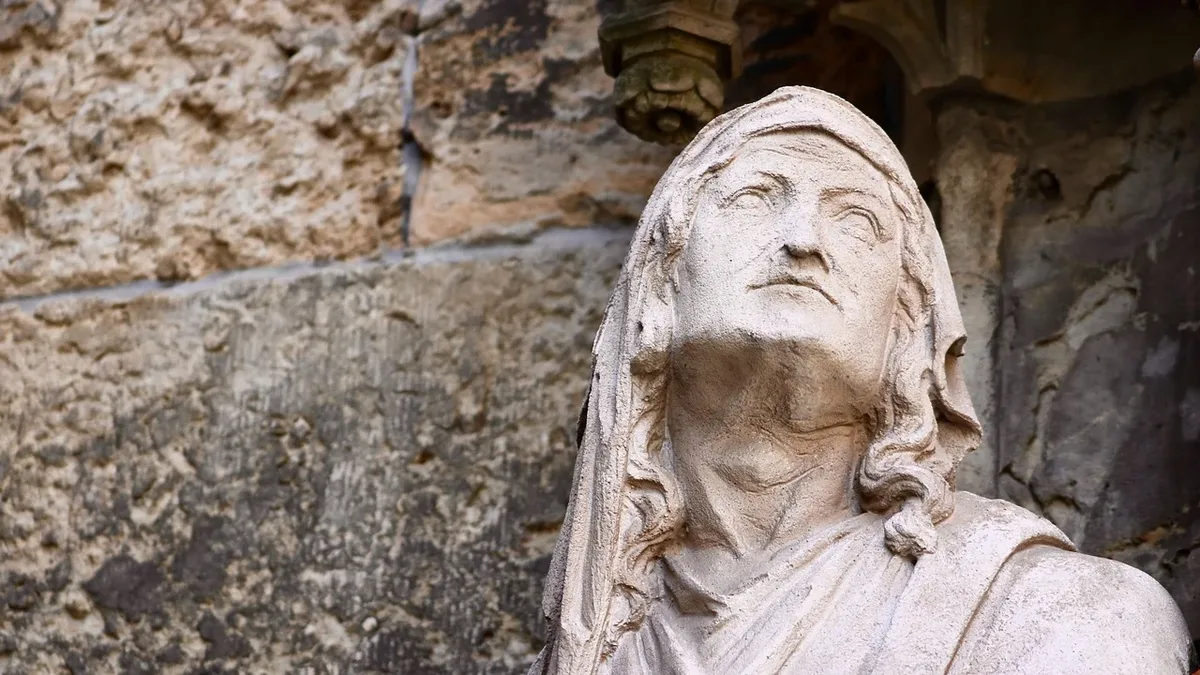
A clay figure of a female shaman was found in the moat of a fifth-century burial mound at the Nishikaminomiya site in Gunma Prefecture, Japan. Archaeologists from the Gunma Archaeological Research Foundation recovered the 1,500-year-old haniwa this year while excavating the main burial mound as part of a river improvement project along the Tone River. The site is in the city of Isesaki on the island of Honshu, where the team has worked since 2020.
Figure Details and Identification
The figurine represents a miko, or shrine maiden, and only the head and torso survive. It was identified by its traditional Japanese topknot hairstyle, clay bracelets, red pigment, red sash painted on the torso, and a rod-shaped implement in one hand. The figure wears a shimada topknot hairstyle, which specifically identifies it as a miko. Clay bracelets with red pigment sit on both wrists. The left hand holds a rod-like ritual object. The prefectural government said considerable care went into making the figure, including features not visible from a distance.
Context of the Find
Researchers posit the miko figurine was originally placed near a boat-shaped sarcophagus in the large mound before slipping down the hill into the moat. The Kofun period takes its name from the burial mounds of powerful leaders, many of them keyhole-shaped and surrounded by moats. Similar figurines, called haniwa, have been found in other burial mounds or kofun, which name the imperial Kofun period from about A.D. 300 to 710. The haniwa is now housed at the Gunma Prefectural Archaeological Research Center Museum.
Significance and Interpretation
The discovery provides evidence of ritual practices involving miko figures and their role in funerary customs. During the Kofun period, miko likely performed funeral rituals and offered spiritual guidance. A miko was believed to bridge the gap between the human and spiritual realms. Haniwa are thought to have been used as offerings to the dead and were sometimes believed to contain the souls of the deceased. The word haniwa means 'circle of clay', and the exact function of the figures remains unclear.
The figure measures about 40 centimeters (16 inches) tall but was originally larger. It is expected to remain on public display at the Gunma Prefectural Archaeological Research Center Museum.