Homo erectus Teeth Proteins Link to Denisovans and Modern
Proteins from 400,000-year-old Homo erectus teeth found in China suggest a genetic link to Denisovans and, indirectly, to some modern populations in
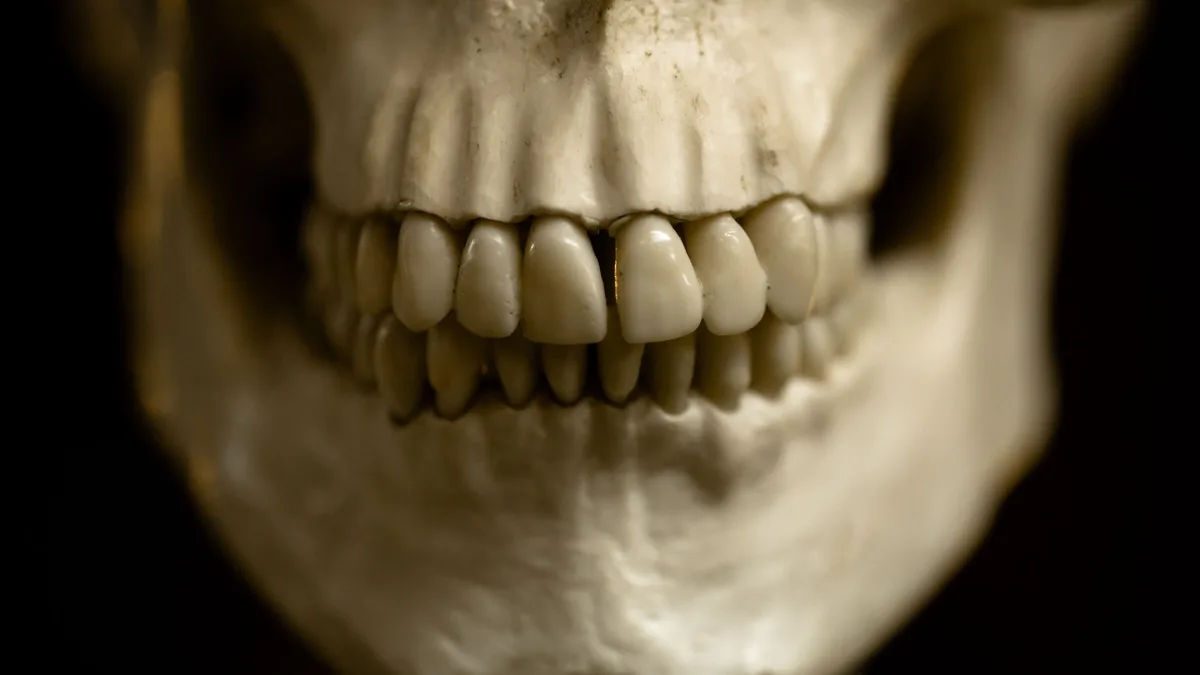
Scientists have extracted protein evidence from 400,000-year-old Homo erectus teeth, revealing potential genetic connections to both Denisovans and some modern human groups. The research, led by Qiaomei Fu of the Chinese Academy of Sciences' Institute of Vertebrate Paleontology and Paleoanthropology (IVPP), was published in Nature.
A commentary in the same journal noted the enamel proteins provide new insights into how ancient genetic material may have been introduced into modern human populations. The team used a minimally damaging acid etching technique on six teeth from three Chinese fossil sites: Zhoukoudian (Peking Man), Hexian, and Sunjiadong.
Molecular Markers in Ancient Teeth
The analysis detected two key protein mutations. One, AMBN A253G, is a newly identified variant the researchers propose as a molecular marker for these East Asian Homo erectus populations. Its presence across all three sites offers the first molecular evidence that these individuals belonged to the same evolutionary group.
The second variant, AMBN M273V, had previously been associated only with Denisovans. Finding it in Homo erectus shows it was not exclusive to that later species.
A Proposed Genetic Pathway
The researchers suggest a possible pathway for how this genetic material could have traveled through time. They propose the AMBN M273V variant may have moved from Homo erectus into the Denisovan lineage through admixture, or interbreeding between populations. Denisovans, who are known to have contributed genes to modern humans, could then have passed the variant on through later introgression.
If correct, this would indicate a genetic link between East Asian Homo erectus and Denisovans. It also points to a deeper, indirect connection between these ancient humans and some modern populations in Southeast Asia and Oceania.
New Paleoproteomics Techniques
Beyond the evolutionary findings, the study developed new methods for studying ancient proteins while preserving precious fossils. These techniques establish a framework for systematic paleoproteomics research.
The methods include using the male-specific enamel protein AMELY to determine the sex of ancient hominins. The team also implemented a system for cross-checking results with tandem mass spectrometry and multiple data analysis pipelines. DNA analysis techniques linked to specific amino acid variants were part of the new toolkit.
Together, these approaches allow scientists to recover molecular clues from specimens where DNA does not survive, all while causing minimal damage. The work opens a new avenue for investigating ancient human relationships that have remained out of reach for traditional genetics.