Massive Viking Coin Hoard Discovered in Norway
A hoard of over 5,200 Viking Age coins, the largest ever found in Norway, has been unearthed by metal detectorists and archaeologists at a farm in eastern Norway.
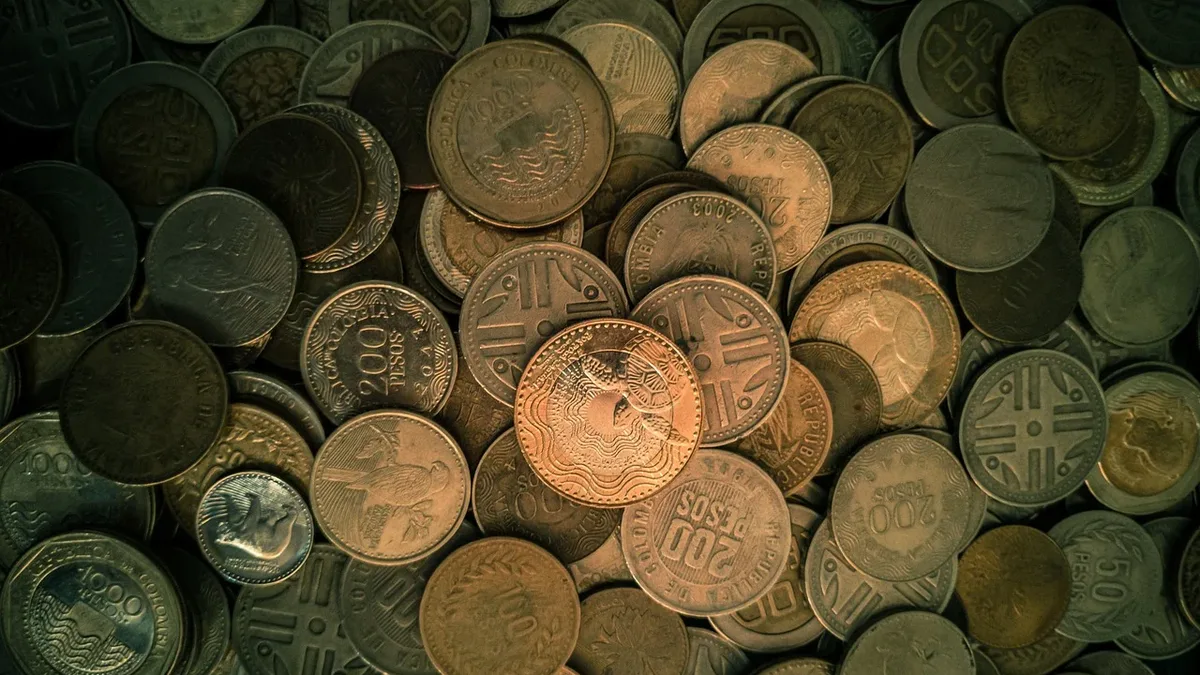
A massive Viking coin hoard has been discovered in eastern Norway. The find, now totaling around 5,200 silver coins, is the largest Viking Age coin hoard ever recovered in the country.
Metal detectorists Rune Sætre and Vegard Sørlie made the initial discovery at the Mørstad farm in Innlandet county in April. The landowner is farmer Ole Erik Hørstad. The University of Oslo's Museum of Cultural History is leading the investigation.
Excavation
The excavation process involved metal detectorists and archaeologists working together. The first signal on April 10 yielded 19 silver coins. By late April, the count was nearly 3,000. After the main excavation in May, more than 4,700 coins were recovered. The team returned after the grain harvest, finding coins at greater depth. By early July, 4,886 coins had been cataloged.
Ground-penetrating radar surveys did not reveal further concentrated finds, but they did map older river channels and a changing landscape. No clear structures or graves were found beside the hoard. County archaeologist May-Tove Smiseth noted the search continues. "The detectors are still beeping," she said. Detectorists and archaeologists will continue the search through the end of the week.
Coin Analysis
The coins found include issues from England, Germany, and Norway, dating back to the Viking Age. Most coins were struck in modern-day England and Germany, part of the Holy Roman Empire. The hoard includes English coins struck by Scandinavian moneyers.
A small number of early Norwegian coins were issued under King Harald Hardrada. Four of these Harald Hardrada coins are key to dating the entire Mørstad Hoard to around 1046-1047. Among the thousands of coins are also ten Irish issues.
The 5,000th coin identified was an Otto-Adelheid penny. Senior adviser and coin expert Anne Skogsfjord is leading the analysis. Cataloguing the entire hoard will take at least a year.
| Coin Type | Origin | Key Detail |
|---|---|---|
| Otto-Adelheid penny | Holy Roman Empire | The 5,000th coin identified |
| Harald Hardrada coin | Norway | Four examples date hoard to 1046-1047 |
| English penny | England | Struck by Scandinavian moneyers |
| Irish issue | Ireland | Ten examples found |
Significance
The discovery is significant because it provides direct insight into the trade networks and economy of the Viking Age. The mix of Scandinavian and foreign coin issues, all over 1,000 years old, illustrates extensive cultural and economic exchange. The concentration of wealth buried in the late 1040s speaks to a period of significant political change.
The hoard's location, with no associated building or grave, raises questions about why it was buried. Archaeologists are studying the landscape context revealed by radar. The find surpasses all previous Norwegian Viking Age coin hoards in scale. Detectorists and archaeologists will continue the search through the end of the week.