Stable Isotope Analysis
| Method | Stable Isotope Analysis |
|---|---|
| Original use | Tracing dietary and migratory patterns in archaeology and ecology |
| First created | Mid-20th century |
| Key isotopes measured | Carbon-13, Nitrogen-15, Strontium-87/86, Oxygen-18 |
| Common sample materials | Bone, tooth enamel, hair, plant remains |
| Primary outputs | Ratios of heavy to light isotopes (δ-values) |
| Typical precision | Parts per thousand (per mil, ‰) |
| Major applications | Paleodiet reconstruction, Provenance studies, Migration tracking |
Origin and history
Stable Isotope Analysis as a scientific method originated from physics and chemistry research in the early 20th century, primarily in the United States and Europe. The foundational discovery of stable isotopes themselves dates to the 1910s, with Francis William Aston's work on the mass spectrograph being pivotal. The application of these principles to geological and environmental questions began in earnest in the mid-20th century, using isotopic ratios to study paleoclimates and mineral formation. Its adoption in archaeology and anthropology is more recent, emerging as a standard technique in the 1970s and 1980s. This shift occurred as researchers recognized that isotopic signatures in biological tissues could reflect an individual's diet and geographic location. The method's expansion was directly enabled by technological advances in mass spectrometry, which allowed for the precise measurement of minute isotopic differences in organic archaeological materials.
What it is for
Stable Isotope Analysis is used to reconstruct past diets, migration patterns, and environments from the remains of organisms. In archaeology, it is routinely applied to human and animal bones and teeth to determine the consumption of marine versus terrestrial foods, or the intake of certain plant types like maize or millet. The analysis of carbon (δ¹³C) and nitrogen (δ¹⁵N) isotopes from bone collagen is a standard approach for investigating trophic levels and photosynthetic pathways in past diets. Oxygen (δ¹⁸O) and strontium (⁸⁷Sr/⁸⁶Sr) isotope ratios in tooth enamel are used to investigate mobility and place of origin, as enamel forms in childhood and retains that geochemical signature. In a site context, comparing isotopic data from fauna helps establish a local environmental baseline against which human results can be interpreted. The material culture, such as pottery residues or charred seeds, can also be analyzed isotopically to directly study foodstuffs and agricultural practices, providing a parallel line of evidence to skeletal data.
Pros and cons
A major advantage is the method's ability to provide direct, individual-level evidence of diet and movement that is often invisible in the material culture record. It offers quantitative data that can be statistically tested and compared across populations and time periods. However, a significant con is the destructive nature of the sampling, which requires the physical removal of a piece of bone or tooth, creating ethical and curatorial concerns. The interpretation of results is highly dependent on establishing a reliable local isotopic baseline, which requires extensive sampling of contemporaneous fauna and understanding of local geology; without this, conclusions about migration are weak. A common mistake is the over-interpretation of dietary data without considering diagenesis, the chemical alteration of the sample after burial, which can obscure the original biological signal. Researchers often regret choosing this analysis when the preserved collagen in bones is too degraded for reliable measurement, rendering the costly and destructive sampling futile.
Who it suits
This method suits archaeological projects with well-preserved skeletal remains and specific research questions about subsistence economies or population mobility. It is ideal for projects investigating periods of major dietary transition, such as the adoption of agriculture, or suspected population replacement or migration events. Researchers must have access to the necessary funding and laboratory facilities, as the analysis is relatively expensive and requires collaboration with specialist isotope scientists. It suits meticulous projects willing to invest the time in constructing a robust comparative baseline from local environmental samples. The method is less suited to projects working solely with material culture in the absence of organic remains, or to those with very limited budgets where the risk of poor preservation is high. It is also poorly suited for researchers seeking simple, definitive answers, as isotopic data requires careful integration with archaeological, osteological, and historical evidence for valid interpretation.
Latest Stable Isotope Analysis news
Latest reporting

Bronze Age Cypriot tombs reveal ritual plant bouquets
Analysis of 3,400-year-old charred plant remains from tombs at Hala Sultan Tekke shows diverse botanical deposits, including cereals and flowers...
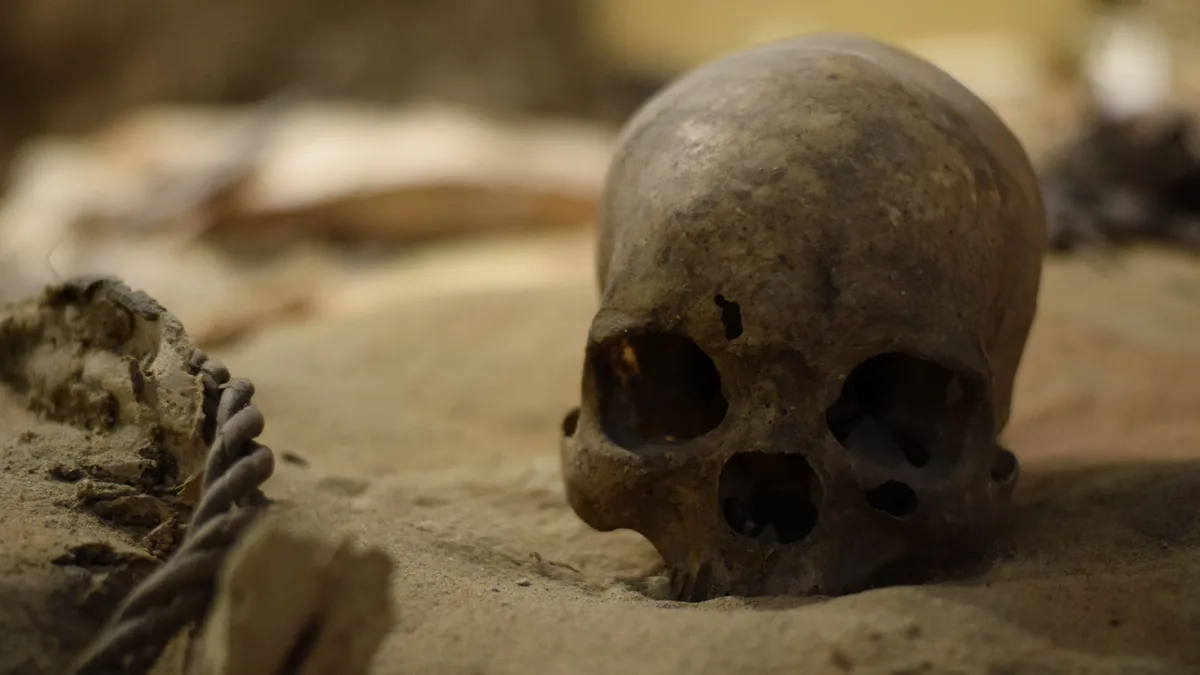
Forensic Study Confirms Retainer Sacrifice in Egypt's First Dynasty
A re-analysis of 5,000-year-old skulls from royal tombs at Abydos has found fatal blunt-force trauma in 18 individuals.
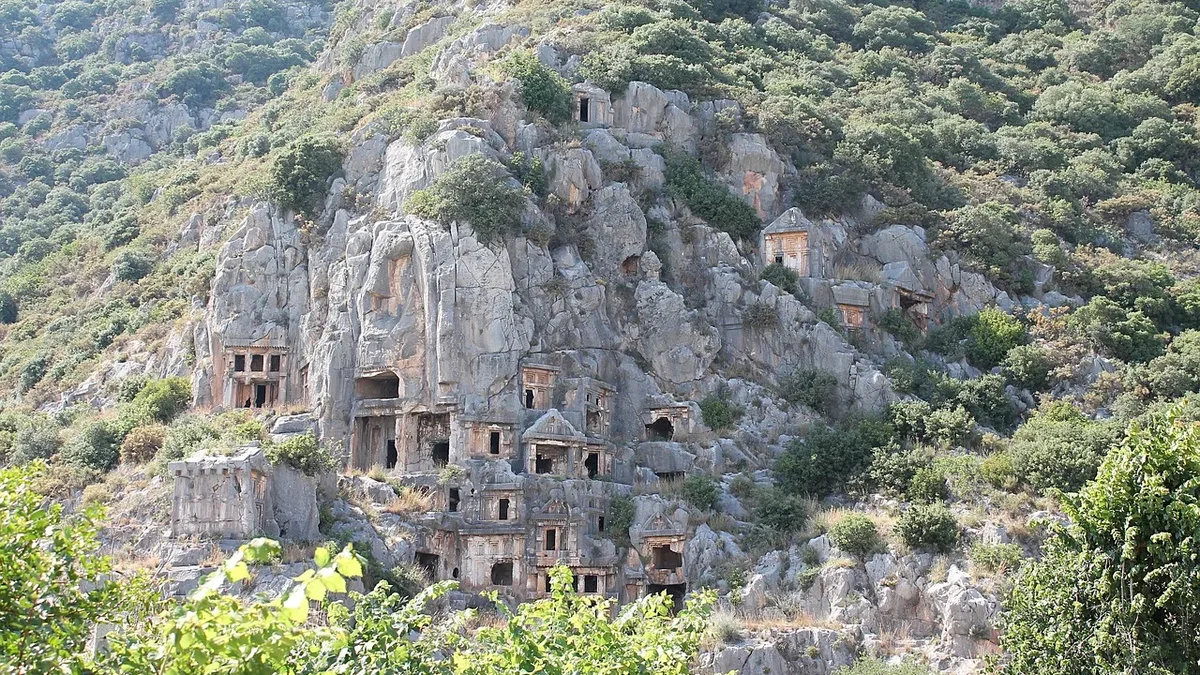
Etruscan tombs used sound and light for immersive ritual
Acoustic and AI analysis of two fifth-century B.C. Etruscan painted tombs reveals they were engineered as multisensory environments.
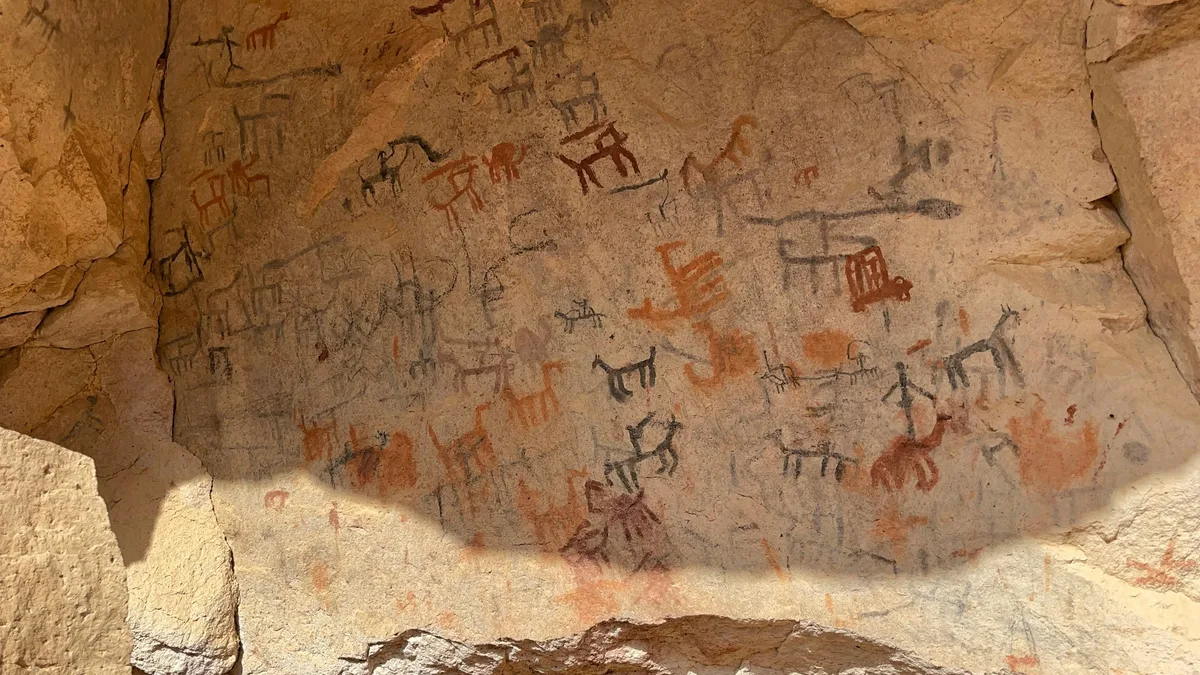
Teotihuacan Writing System Revealed in Cave Glyphs
New analysis of three red-painted glyphs in a Mexican cave provides the strongest evidence yet that Teotihuacan developed a genuine logo-phonetic...

Battersea Shield's ritual use revealed by British Museum
Recent analysis of the 2,000-year-old Battersea Shield suggests it was a ritual offering, not a battle shield.
Ice Age Hunter-Gatherers Used Betel Nuts for Toothache
A study in Science Advances reveals 25,000-year-old evidence of habitual betel nut use for pain relief on Sulawesi, based on dental grooves and...