Avocational And State Archaeological Societies
| Site | Avocational And State Archaeological Societies |
|---|---|
| Organization type | Non-profit society or club |
| Primary focus | Archaeological research and education |
| Typical activities | Field surveys, excavation, lectures, publications |
| Geographic scope | State or region |
| Typical membership | Amateurs, professionals, students |
| Year founded | Ranges from late 19th to mid 20th century |
Origin and history
Avocational and state archaeological societies are institutions that emerged primarily in the United States and the United Kingdom during the late 19th and early 20th centuries. Their development was closely tied to the professionalization of archaeology as an academic discipline during that period. These societies were often founded by a coalition of learned professionals, such as doctors and lawyers, and dedicated local enthusiasts with a deep interest in regional history. Early societies frequently formed in response to the threat of site destruction from industrial expansion and urban development, aiming to systematically record and preserve antiquities. The structure allowed for the formal organization of amateur interest, which had previously been a more solitary or informal pursuit. Their establishment created a lasting framework for public engagement with archaeological science outside of university and government contexts.
What it is for
These societies exist to facilitate structured public participation in archaeological inquiry and heritage stewardship. A core function is to provide formal training in archaeological methods, such as surveying, excavation technique, and artifact identification, to non-professional members. They often organize and oversee volunteer-driven fieldwork projects, including controlled excavations and systematic surface surveys, under professional guidance. Societies act as custodians of local knowledge, maintaining archives of site records, photographs, and artifact collections that might otherwise be lost. They serve as a critical liaison between the public and professional archaeologists or state historic preservation offices. Furthermore, they provide a platform for disseminating findings through lectures, journals, and site reports, making archaeology accessible to a wider community.
Overview
An avocational or state archaeological society is typically a membership-based organization that operates at a regional or state level, governed by a charter and elected officers. Membership usually includes both avocational archaeologists and professional archaeologists, creating a hybrid community of practice. The society's activities are generally supervised by a professional archaeologist, often termed the society archaeologist or advisor, who ensures methodological rigor and compliance with legal and ethical standards. Annual cycles include a regular schedule of meetings, field schools, laboratory work sessions, and public outreach events like site tours. Many societies publish a peer-reviewed journal or newsletter that details the results of member-conducted research and excavations. Their work directly contributes to the broader archaeological record, with their findings often incorporated into state historic environment records.
What to know
Participation typically requires paid membership, and many societies have tiered structures for individuals, families, and students. Fieldwork opportunities are almost always contingent on completing the society's own training program, which covers ethics, methodology, and local legislation. All archaeological work is conducted under permits issued by the relevant state or national heritage authority, with the society managing the permit application and compliance. Artifacts and data recovered are not private property; they are curated by the society or a designated repository, following professional collection management standards. Members are expected to adhere to a strict code of ethics that forbids unauthorized digging, artifact collecting for personal gain, and the use of metal detectors on archaeological sites without a permit. The research focus is almost exclusively on local or regional archaeology, providing deep, longitudinal insight into a specific area's past.
Common questions
A common question is whether membership and participation allow one to become a professional archaeologist, which is not the case, as professional roles require advanced academic degrees. People often ask if they can keep artifacts they find, which is prohibited, as all materials are considered part of the archaeological record for study and public benefit. Many inquire about the use of metal detectors, which is generally forbidden outside of specific, sanctioned survey methodologies under professional direction. Prospective members frequently question the physical demands, as fieldwork can be strenuous and involves long hours in various weather conditions. There is often confusion about the cost, as beyond membership dues, participants may need to provide their own basic field gear and cover travel expenses. Societies are regularly asked how their work differs from unstructured relic hunting, with the key distinction being the systematic, scientific, and documented nature of their investigations.
Pros and cons
These societies generate substantial, valuable data for regional research and preservation, often investigating sites that would not be prioritized by academic or commercial units. They foster a strong, knowledgeable community of heritage advocates who provide essential grassroots support for site protection. A central con is the potential for variability in the quality of supervision and instruction, which can hinge on the availability and engagement of a single professional advisor. Projects can sometimes proceed slowly due to their volunteer-dependent nature and limited funding, which may frustrate members seeking rapid discovery. A common mistake is for enthusiastic new members to underestimate the amount of meticulous laboratory work, data entry, and documentation required after the excavation phase.
Who it suits
This structure ideally suits retired individuals or professionals from other fields who have the flexible time required for extended fieldwork and detailed post-excavation analysis. It is well-suited for lifelong learners with a deep, focused interest in the local history and prehistory of their specific region or state. The model appeals to those who value structured, systematic learning and contributing to a cumulative scientific record over the thrill of independent treasure hunting. It is a good fit for people who enjoy collaborative, team-based projects and wish to be part of a community with shared intellectual interests. The societies are particularly valuable for undergraduate students considering archaeology as a career, offering a realistic preview of field conditions and professional networks. It is less suited for those seeking casual, recreational digging or individuals primarily motivated by personal artifact collection.
Latest Avocational And State Archaeological Societies news
Latest reporting
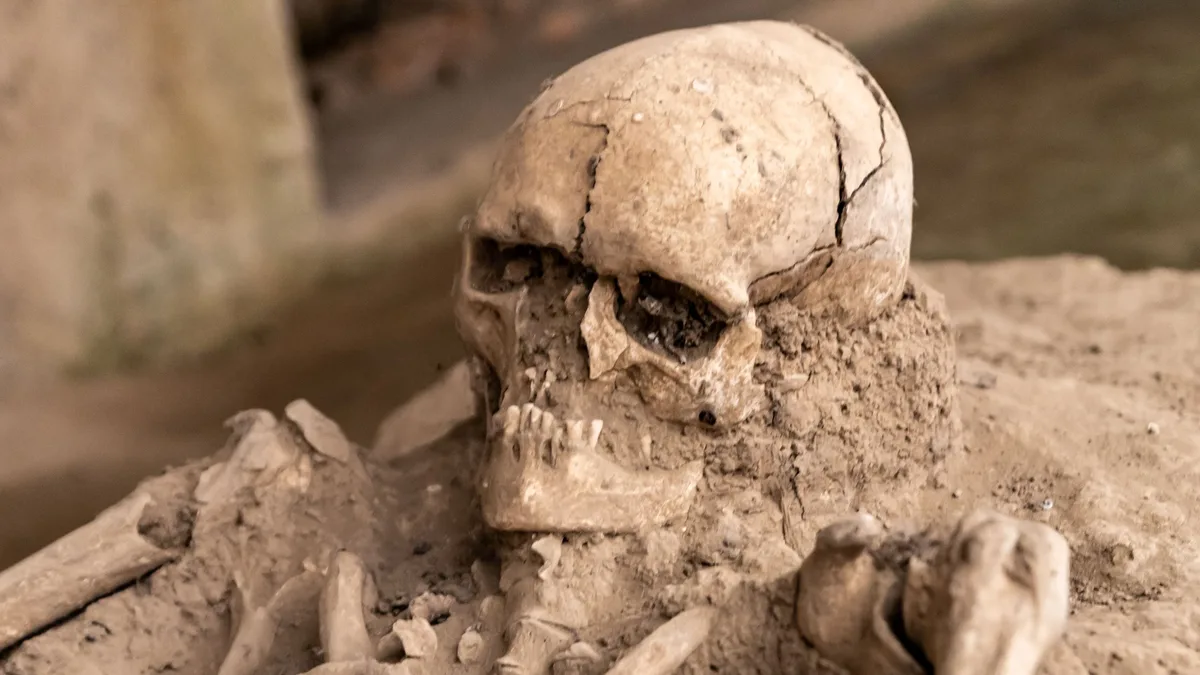
Punitive nasal amputation found in 700-year-old Chinese skull
A 700-year-old female skull from China shows the first archaeological evidence of punitive nose amputation. The middle-aged woman, buried face-down...
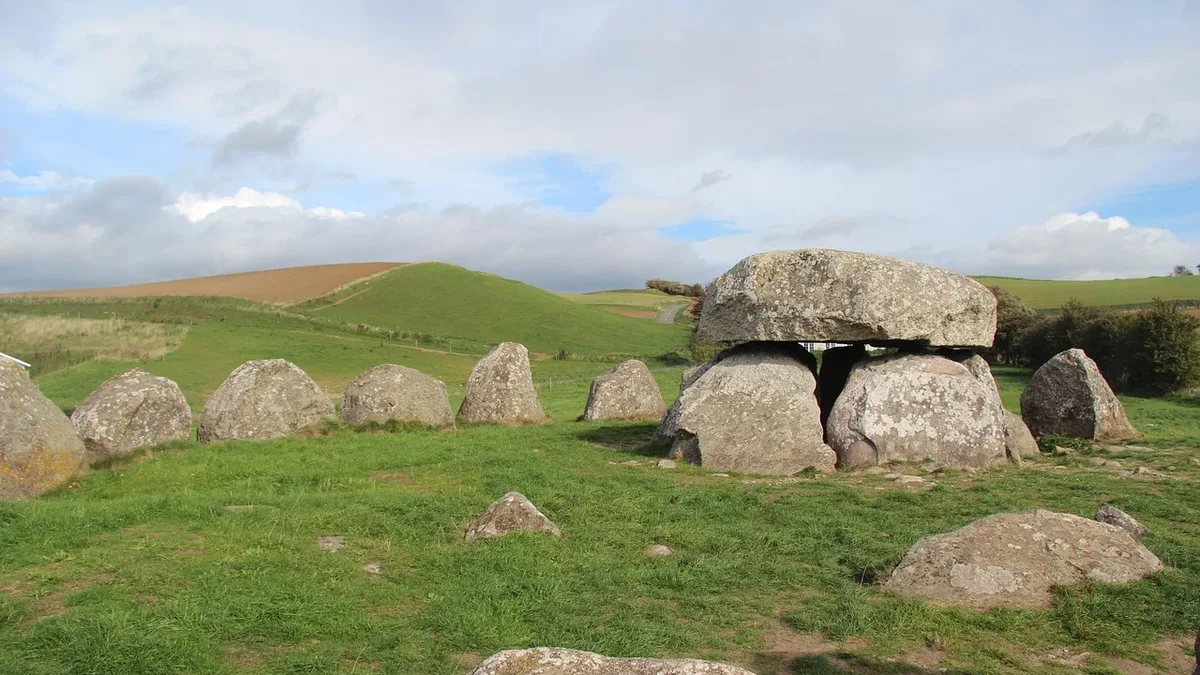
Earliest Brass Production Found in Ancient Chinese Workshop
Chinese archaeologists have uncovered the oldest known evidence of brass production in East Asia, dating back to the ninth and tenth centuries, at a...