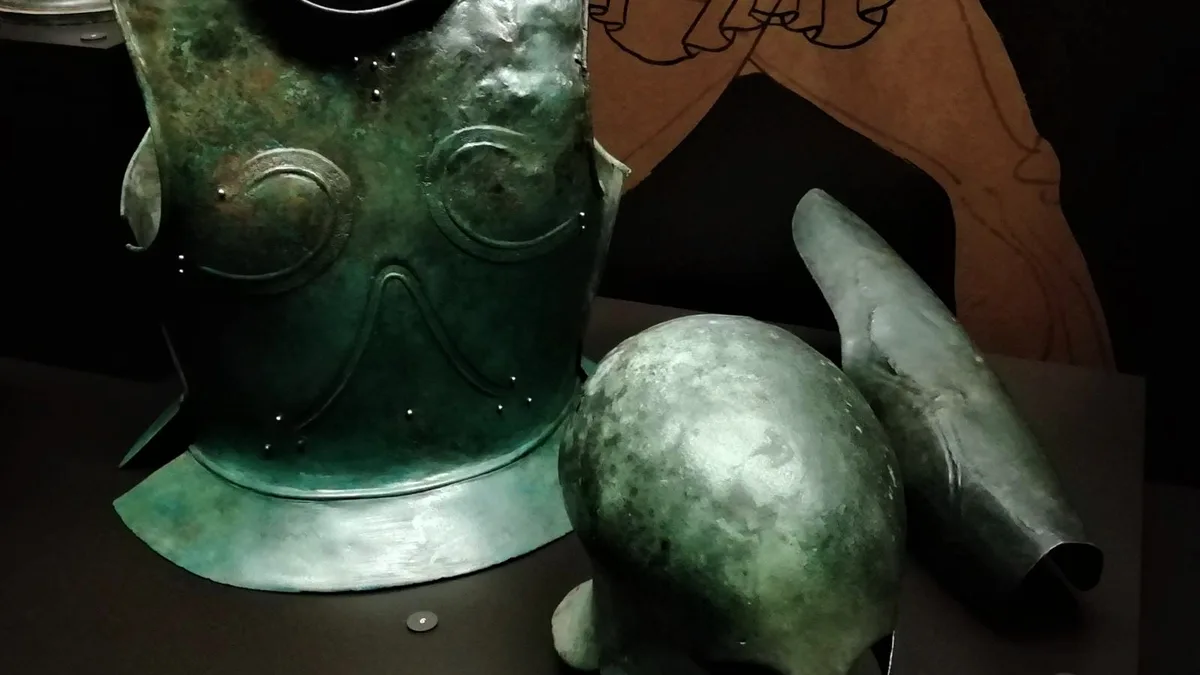
Archaic
The site
The site, located in a strategic location along a river, has been a focal point for human activity for millennia. Archaeologists have identified layers of occupation that span from the Archaic period to more recent times. The site is characterized by its well-preserved artifacts and well-defined stratigraphy, making it a valuable resource for understanding the cultural and environmental history of the region.
Excavation history
Excavations at the site began in 1975 and have continued intermittently since then. The initial phase of the dig focused on surface collections, which revealed a rich assemblage of artifacts. Over the years, more systematic excavations have uncovered multiple layers of occupation, each with distinct cultural characteristics. The site has been divided into several zones, each corresponding to a different time period, allowing for a detailed analysis of the site's history.
What was found
Excavations have yielded a diverse range of artifacts, including stone tools, pottery shards, and bone implements. Notable finds include a variety of projectile points, such as Clovis and Folsom points, indicating the presence of early hunter-gatherer societies. Additionally, the site has produced evidence of seasonal camps, with remnants of hearths and food remains suggesting that these groups returned to the site periodically. The presence of marine shell beads and other exotic materials indicates trade networks that extended beyond the local area.
Dating and chronology
The site's layers are dated using a combination of radiocarbon dating and stratigraphic analysis. The Archaic period at the site is generally dated to between 8000 BCE and 1000 BCE. The earliest layers contain artifacts that align with the Late Paleoindian period, while later layers correspond to the Early Archaic and Middle Archaic periods. The stratigraphy shows a gradual transition in tool types and living patterns, reflecting the changing environmental and cultural conditions over time.
Interpretation
The material culture found at the site provides insights into the daily lives of the Archaic inhabitants. The presence of a wide array of tools, such as scrapers, drills, and bifaces, suggests a versatile and adaptive lifestyle. The location of the site near water sources and game trails indicates that these groups were highly mobile and relied on a combination of hunting, fishing, and foraging. The presence of ceremonial objects, such as stone figurines and pendants, suggests that these societies had complex social and religious practices.
Visiting
Visitors to the site can explore the excavated areas and view the artifacts on display. The site offers guided tours and educational programs that provide a deeper understanding of the Archaic period. Interactive exhibits and multimedia presentations help visitors visualize the daily life and cultural practices of the ancient inhabitants. The site also hosts periodic events, such as archaeology days and educational workshops, which are open to the public.
News
Recent excavations have uncovered new layers of occupation, potentially extending the site's use into the Late Archaic period. Researchers are currently analyzing the latest findings to refine the site's chronology and understand the broader context of the region's prehistory. Upcoming projects include the development of a digital archive to make the site's data and findings accessible to a wider audience.