Smyrna Reveals Agora Paintings and Floors
Archaeologists in Izmir, Turkey, have uncovered three public spaces with mosaic and marble floors, along with several wall paintings, in the ancient agora
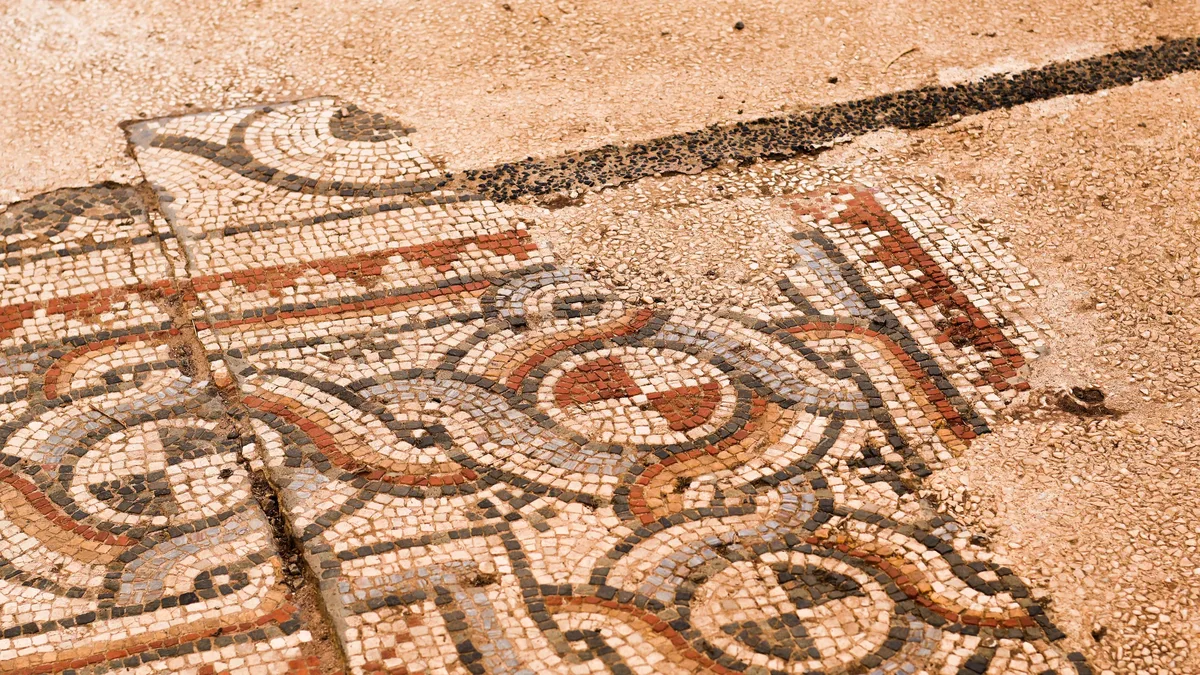
A team from İzmir Katip Celebi University has revealed three possible public spaces and several wall paintings in the ancient agora of Smyrna. The discoveries date to the fifth and sixth centuries A.D. And were made under the direction of archaeologist Akin Ersoy. The spaces were found in the city's agora.
This excavation season has yielded significant evidence of the city's late antique life. The three newly uncovered spaces are located within the commercial and civic heart of the old Greek city on Anatolia's Aegean coast.
Architectural Surfaces and Layout
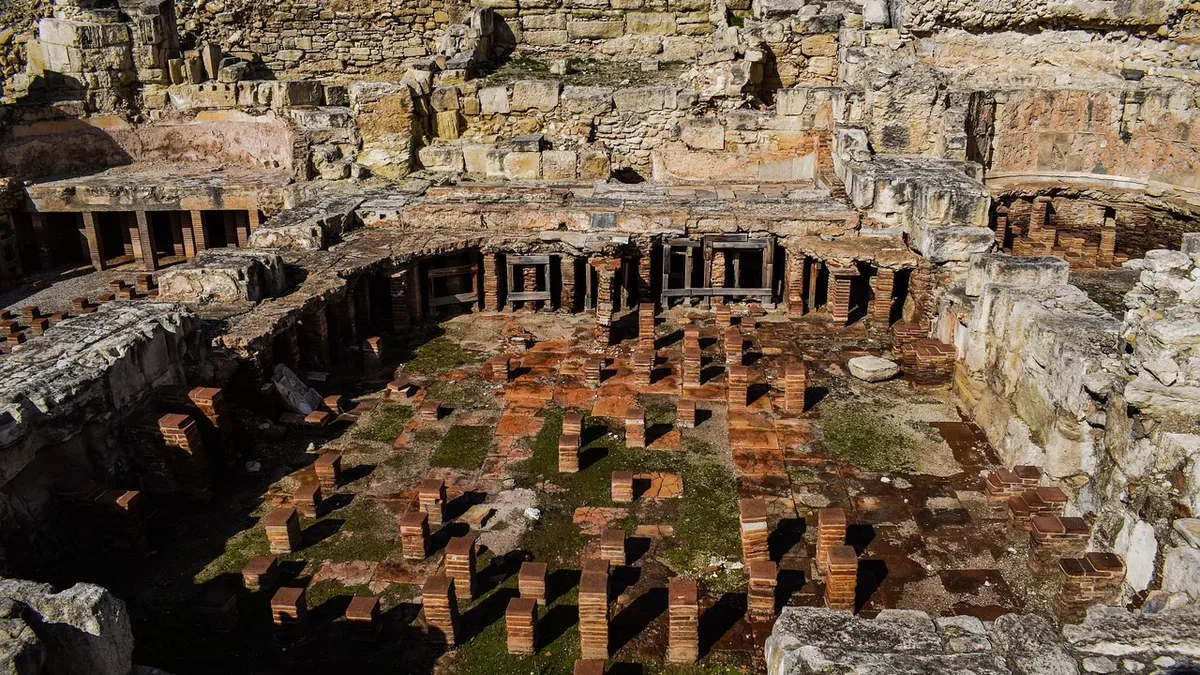
Two of the three identified spaces feature mosaic floors. The third public area is paved with marble. These distinct floor treatments suggest different functions or statuses for the rooms within the agora complex.
| Space | Floor Type |
|---|---|
| Space 1 | Mosaic |
| Space 2 | Mosaic |
| Space 3 | Marble |
The preservation of these surfaces provides a tangible link to the daily use of Smyrna's public squares centuries after its classical Greek foundation.
A First for Wall Paintings
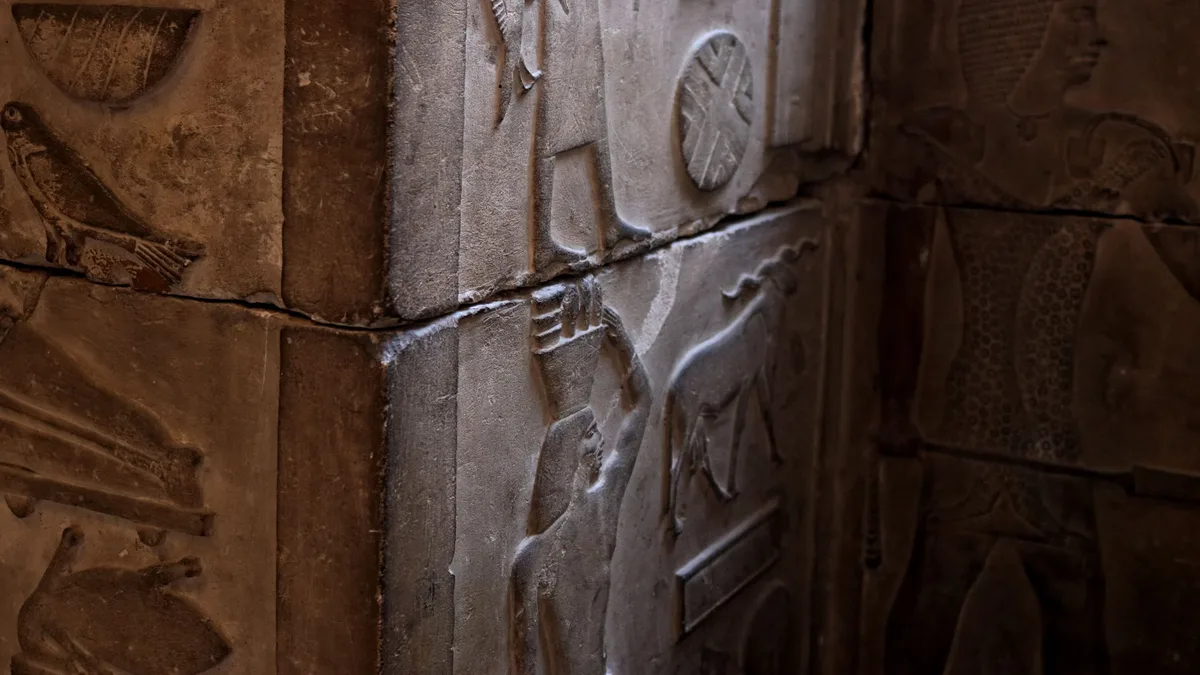
The most striking finds are the several wall paintings uncovered in both the agora and the theater area. Akin Ersoy emphasized the uniqueness of this discovery. He stated that wall paintings had never before been found in these specific contexts at Smyrna.
"This is the first time we have found wall paintings in these spaces," Ersoy said. "Until now, we had never come across anything like this in the agora of Smyrna or around the theater," he explained. The team's work fundamentally alters the understanding of the agora's decoration in its later periods.
Context and Chronology
The artifacts firmly belong to the site's late Roman or early Byzantine phase. The fifth and sixth centuries A.D. Were a period of transformation across the Mediterranean. Smyrna, a major port city, would have been actively adapting during this era.
The paintings and elaborate floors indicate continued investment and sophisticated aesthetic tastes in the city's public buildings. They show the agora remained a vital center of civic life.
Further analysis of the paintings' pigments and iconography is pending. The exact nature of the three spaces-to whether they served administrative, religious, or commercial purposes-will be a focus of ongoing study. The discovery opens a new window into the visual culture of late antique Smyrna, a layer of history now coming to light.