1400-Year-Old Skeleton Uncovered in Peru
Archaeologists in Peru have discovered a 1400-year-old skeleton in an underground water channel, which may have belonged to a human sacrifice victim
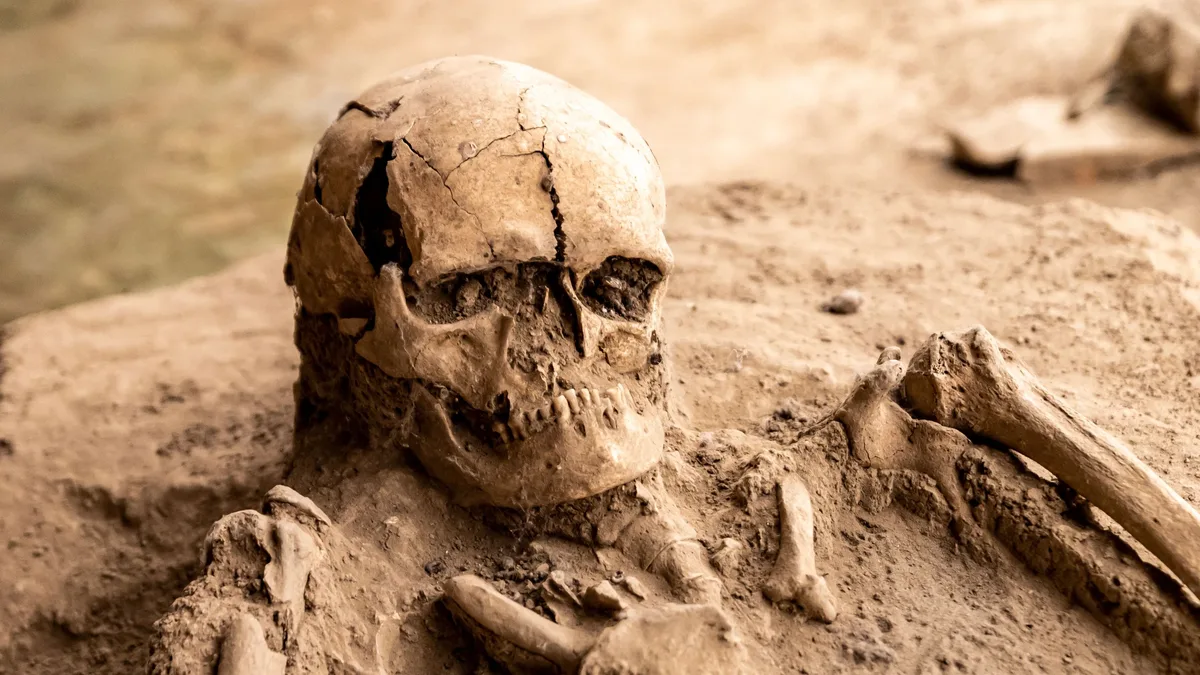
The discovery of a 1400-year-old skeleton in an underground water channel in Peru is shedding new light on the rituals of the pre-Inca Lima culture. The skeleton, found near the pyramid of Huaca Pucllana in Lima, is believed to be that of an adult male who may have been sacrificed as part of a ceremonial ritual.
Background
The Huaca Pucllana archaeological site, where the skeleton was found, was established around AD 400 and was occupied by different pre-Hispanic cultures until around 1440. The site is known for its large platform pyramid, which was built by the Lima culture as the focal point of a ceremonial center. According to a 2023 study, the Lima people performed three main rituals at Huaca Pucllana: the ritual destruction of massive pots, ritual banquets, and human sacrifice.
The Discovery
The skeleton was found in a water channel near the pyramid, which leads to a ceremonial well. The water channel and well were built using river stones, an unusual technique for the Lima people, who typically used small mud bricks. The skeleton was found resting on its left side, with its skull facing the ocean and the Huaca Pucllana pyramid, suggesting that it was intentionally placed in this position.
Analysis
The archaeologists who discovered the skeleton believe that it may have belonged to a human sacrifice victim, based on its location and the fact that it was found in a ceremonial context. Further analysis of the skeleton and the underground water infrastructure may reveal new clues about the rituals that took place at the site. The skeleton has been dated to around AD 650, and additional studies will be needed to confirm the sex, age at death, and any trauma that the individual may have suffered.
Significance
The discovery of the skeleton is significant because it provides new insights into the rituals and practices of the pre-Inca Lima culture. The fact that the skeleton was found in a ceremonial context, and that it may have belonged to a human sacrifice victim, suggests that the Lima people placed a high value on ritual and ceremony. The discovery also highlights the importance of continued archaeological research at the Huaca Pucllana site, which has already yielded many important findings about the culture and practices of the pre-Inca Lima people.