Medieval Caravansery Uncovered in North Sinai
Archaeologists have discovered the remains of a medieval caravansery in North Sinai, Egypt. The structure, which dates back to the Mamluk Sultanate period, would have provided rest and shelter for merchants, mail carriers, and military forces traveling along the Sultan's Road.
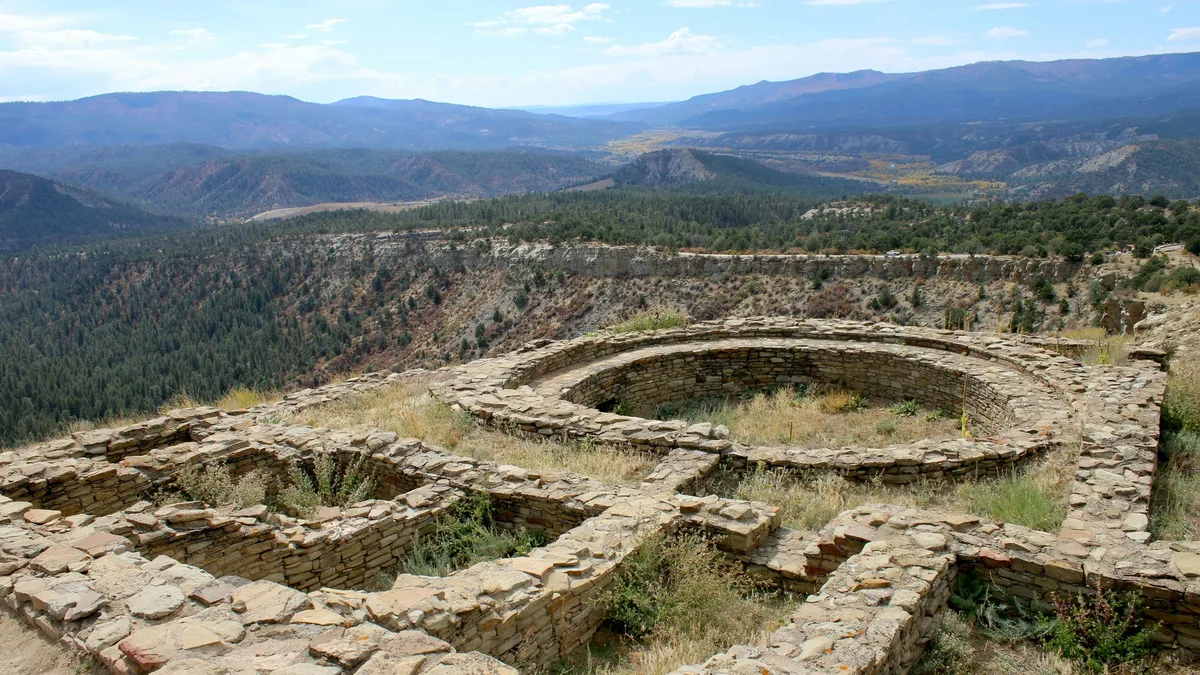
Archaeologists have made a significant discovery in North Sinai, Egypt, uncovering the remains of a medieval caravansery. The structure, which dates back to the Mamluk Sultanate period, would have provided rest and shelter for merchants, mail carriers, and military forces traveling along the Sultan's Road. The caravansery, which is one of several similar structures found across the desert, would have been an essential stop for travelers on their way to destinations in Egypt, the Levant, and the Arabian Peninsula.
Pilgrims traveling along the road to Mecca may have also stopped to rest at the caravansery. According to Hisham El-Leithy of the Supreme Council of Antiquities (SCA), the walls of the structure were made of mudbrick and red brick, while the foundation was reinforced with large limestone blocks. The position of the walls suggests that there may have been shops attached to the lodging areas.
The discovery of vessels for storing water and food, as well as fragments of lamps, has helped to date the building to the period of the Mamluk Sultanate. Some of the writing and decorations on these objects have been tentatively dated to the reign of Sultan Al-Nasir Mohamed Ibn Qalawun, who ruled from A.D. 1285 to 1341. Diaa Zahran of the SCA explained that the finds reinforce the importance of the site for understanding Sinai's role as a major corridor between Egypt and the eastern Arab world.
The discovery of the caravansery provides valuable insights into the lives of travelers and traders who passed through the region during the medieval period. The discovery of the caravansery is an important find for archaeologists and historians, as it sheds light on the history of trade and travel in the region during the medieval period. It also highlights the significance of the site for understanding the role of Sinai as a major corridor between Egypt and the eastern Arab world.
The discovery of the caravansery is a testament to the importance of continued archaeological research and excavation in the region. As more discoveries are made, we can gain a deeper understanding of the history of the region and the people who lived there. The Mamluk Sultanate was a period of significant cultural and economic growth in the region, and the discovery of the caravansery provides a glimpse into the lives of the people who lived during this time.
The structure would have provided a vital service for travelers, offering rest and shelter from the harsh desert conditions. The discovery of the caravansery is an exciting find for archaeologists and historians, and it highlights the importance of continued research and excavation in the region. As we continue to learn more about the history of the region, we can gain a deeper understanding of the people who lived there and the cultures that shaped the region.
Source: Archaeology Magazine (Archaeological Institute of America)