Ceremonial Poles Returned to Canadian Village Site
Monumental cedar poles carved by the Haida people have been returned to their ancestral village in Canada's Pacific Northwest.
The Haida Nation has welcomed back five ceremonial poles that were taken from their village in the 1930s. The poles, carved from cedar, feature figures such as bears and orcas, and represented families and memorialized the dead.
The poles were initially displayed in Prince Rupert, then moved to the Royal BC Museum and the Museum of Anthropology at the University of British Columbia. In 1976 and 2019, two sets of poles were repatriated to the Haida, and this spring, the remaining five were transported back to their ancestral village of SG̱ang Gwaay Llnagaay.
The repatriation effort involved a sling-equipped helicopter, which carefully lifted the poles from their previous locations and transported them to the village. Haida elders, descendants of SG̱ang Gwaay Llnagaay villagers, and others involved in the repatriation effort arrived at the site a few weeks later for a procession, ceremonial food burning, songs, and stories to welcome the poles home.
The village of SG̱ang Gwaay Llnagaay has been uninhabited since the 1880s, but more than 30 ceremonial poles still stand there. Archaeologists have been excavating ornamental and domestic objects of everyday life from the remnants of longhouses at the site, including bird-bone drinking straws, a carved block of argillite stone, and perforated thimbles.
## Archaeological Excavations at SG̱ang Gwaay Llnagaay
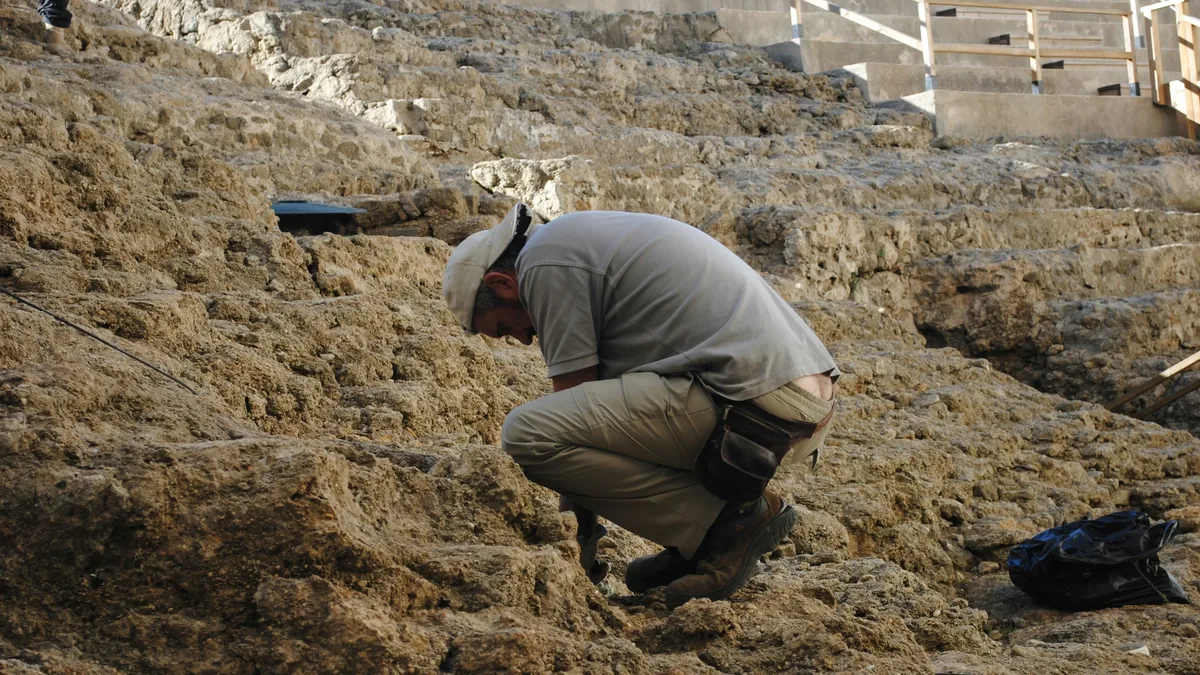
Archaeologists have been working at the site since a hurricane-force storm damaged SG̱ang Gwaay Llnagaay in 2018. Their excavations have uncovered a range of objects, including bird-bone drinking straws, a carved block of argillite stone, and perforated thimbles. These objects provide valuable insights into the everyday life of the Haida people who once inhabited the village.
The repatriation of the ceremonial poles is a significant step towards the return of cultural artifacts to their ancestral communities. It highlights the importance of preserving cultural heritage and the need for museums and institutions to engage in repatriation efforts.
## Repatriation Efforts and Cultural Heritage Preservation
The repatriation of the ceremonial poles is part of a broader effort to return cultural artifacts to their ancestral communities. This process involves collaboration between museums, institutions, and indigenous communities to ensure that cultural heritage is preserved and respected. The return of the poles is a significant step towards reconciliation and a recognition of the Haida Nation's cultural and historical significance.
The repatriation of the poles also highlights the importance of preserving cultural heritage and the need for museums and institutions to engage in repatriation efforts. This includes not only the return of physical artifacts but also the recognition of the cultural and historical significance of these objects.
The return of the ceremonial poles is a significant event in the history of the Haida Nation and a testament to the importance of preserving cultural heritage. It serves as a reminder of the need for museums and institutions to engage in repatriation efforts and to respect the cultural and historical significance of the objects in their collections.