Regions & periods
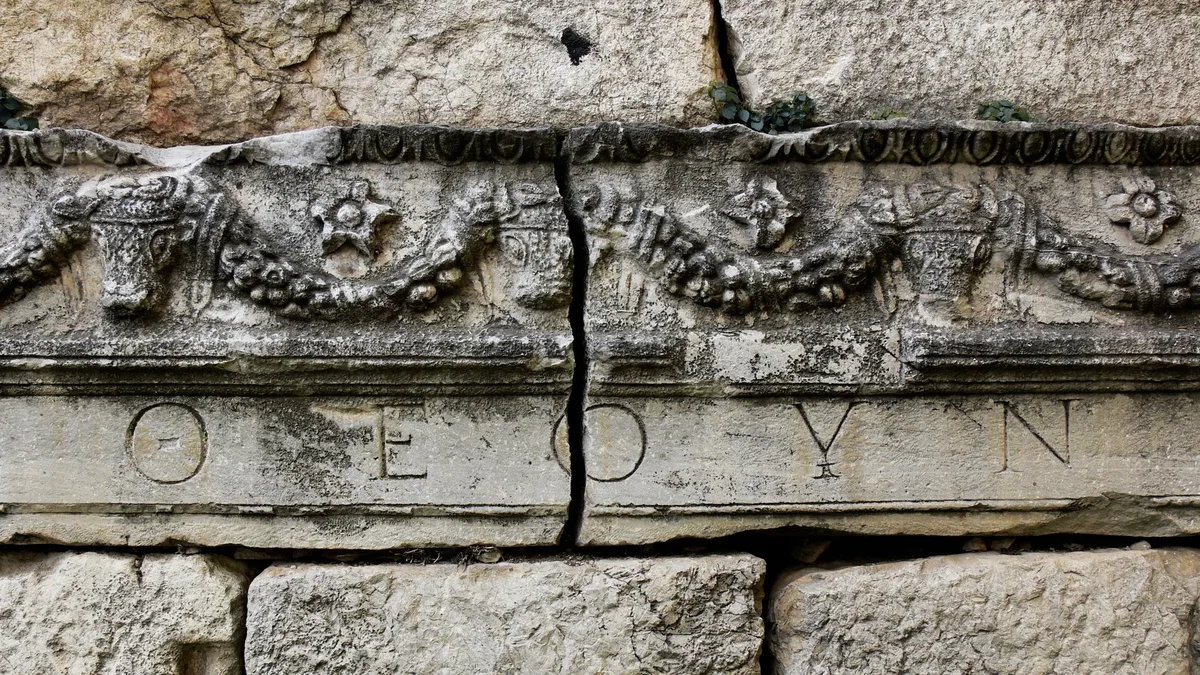
Centuries-Old Runestone Discovered in Faroe Islands Chapel
Archaeologists uncover a rare runestone embedded in the floor of a medieval Faroese chapel, shedding light on early Christian-Norse traditions.
Archaeologists uncover a rare runestone embedded in the floor of a medieval Faroese chapel, shedding light on early Christian-Norse traditions.
Archaeologists uncover a rare runestone embedded in the floor of a medieval Faroese chapel, shedding light on early Christian-Norse traditions.
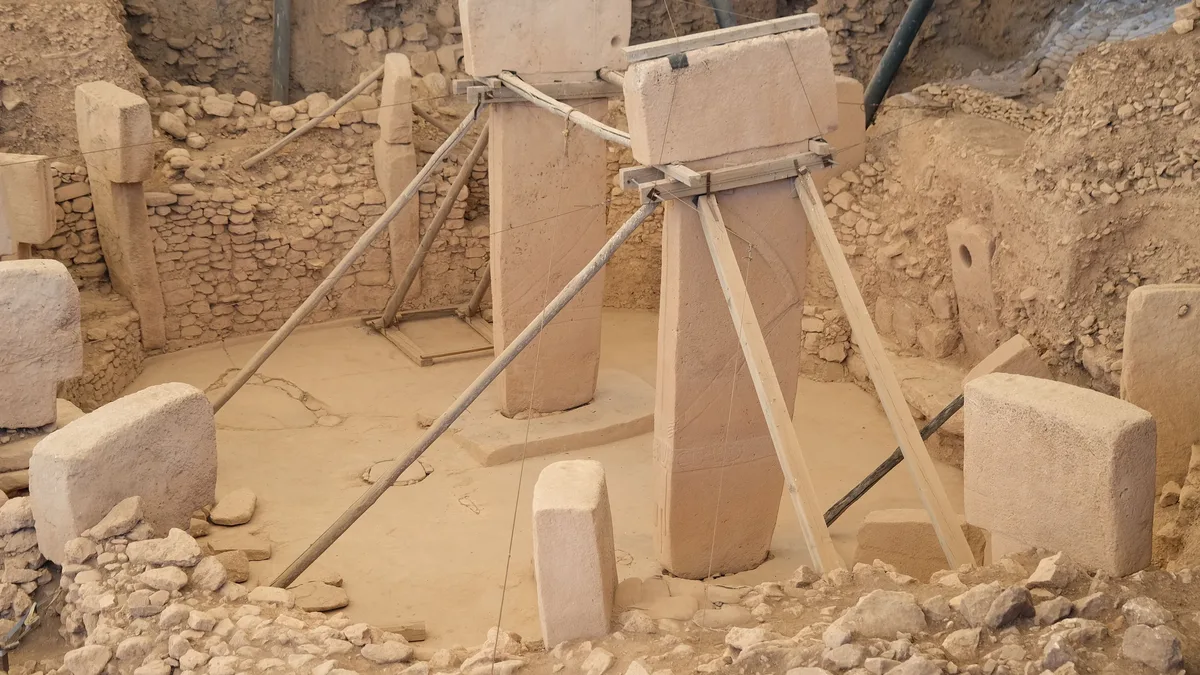
A new study suggests that congenital transmission of treponemal diseases may not be exclusive to venereal syphilis, challenging a long-held assumption in the field of archaeology.
A recent study suggests that the first free-living cells may have emerged independently twice, with life sharing one ancient genetic code but undergoing two separate transitions into free-living existence.
New research from the University of East Anglia suggests that a lost papal letter could change how historians understand the events of 1066 and the Norman Conquest. England may have backed the wrong pope during a bitter religious power struggle, giving Pope Alexander II a political reason to support William the Conqueror's invasion.
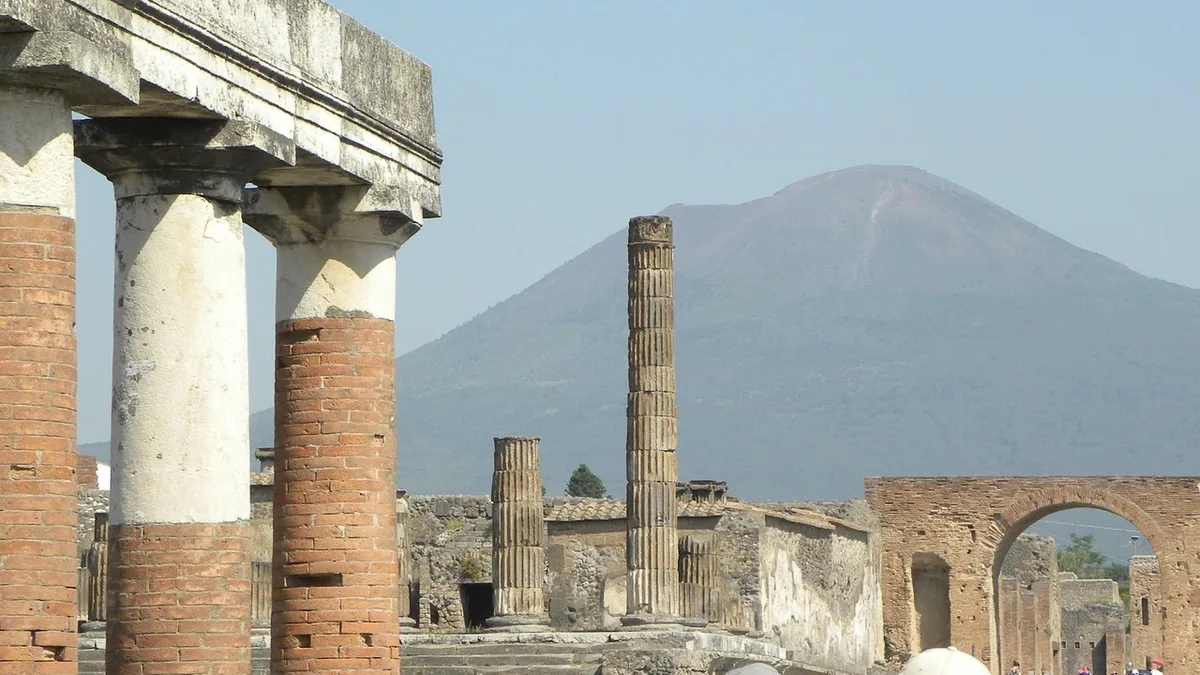
Monumental cedar poles carved by the Haida people have been returned to their ancestral village in Canada's Pacific Northwest.
A new study suggests that congenital transmission of treponemal diseases may not be exclusive to venereal syphilis, challenging a long-held assumption in the field of archaeology.
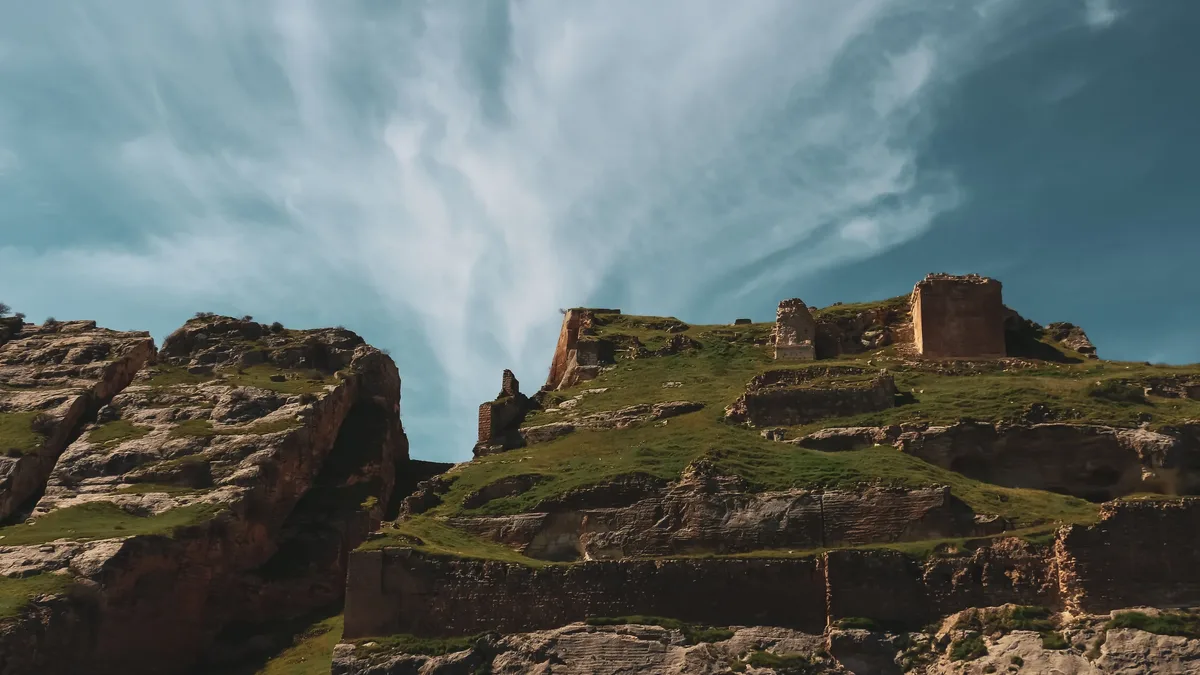
Scientists are searching for tiny fossils in some of Earth's oldest rocks to understand how simple microbial life made the leap towards complex organisms. This knowledge could also help determine whether complex life could emerge on other planets.
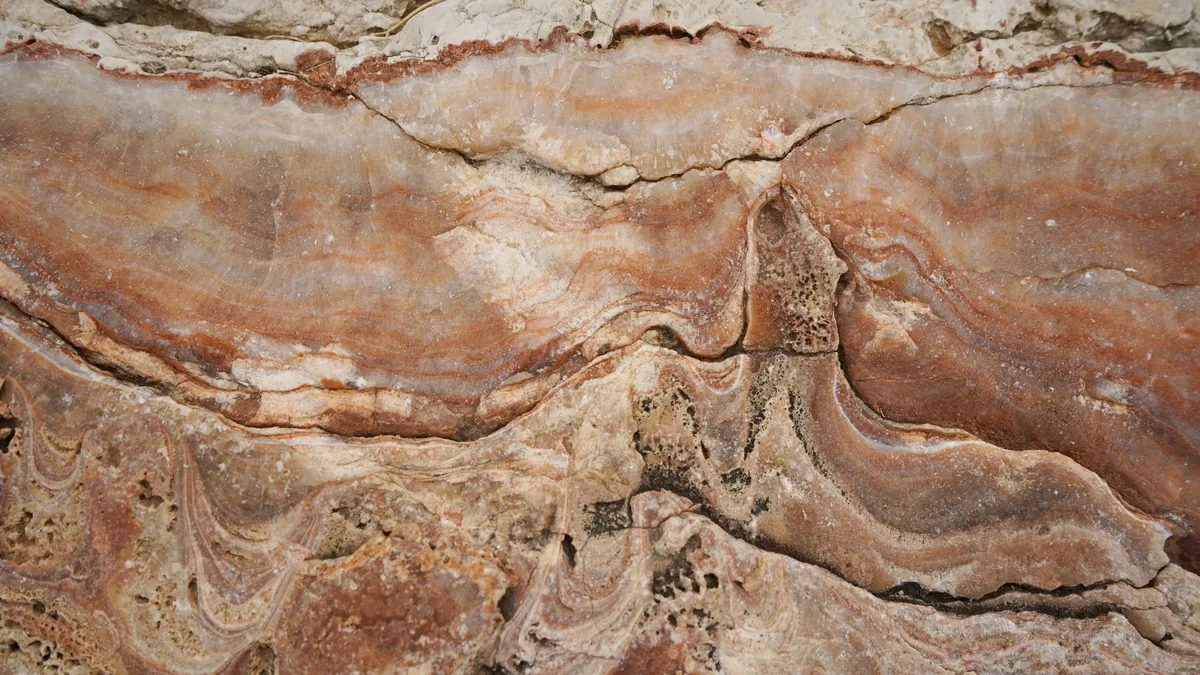
Archaeologists in western Norway have begun excavating a burial mound that may contain a previously unknown Bronze Age grave, buried beneath a Viking ship burial.
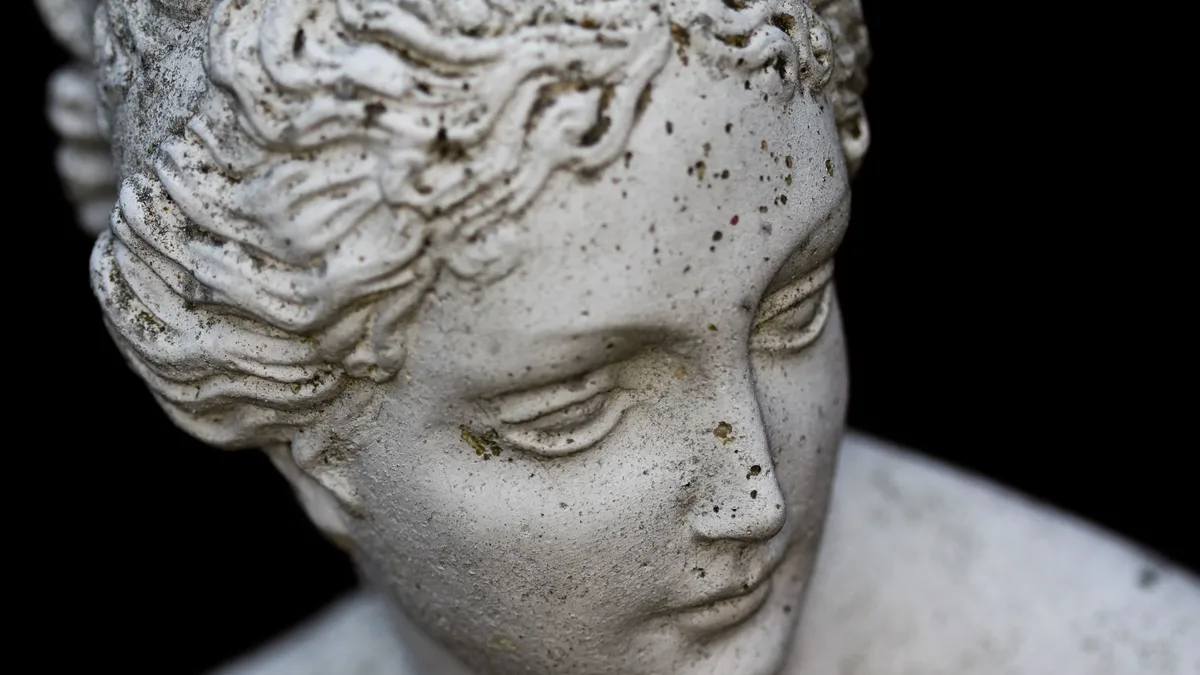
Archaeologists in China have discovered a well-preserved alcoholic beverage in a bronze vessel from a cemetery near the Great Wall, dating back to the Warring States Period. The drink, made primarily from broomcorn millet with traces of wheat and barley, was sealed with a double-layer technique that kept it intact for over two millennia.
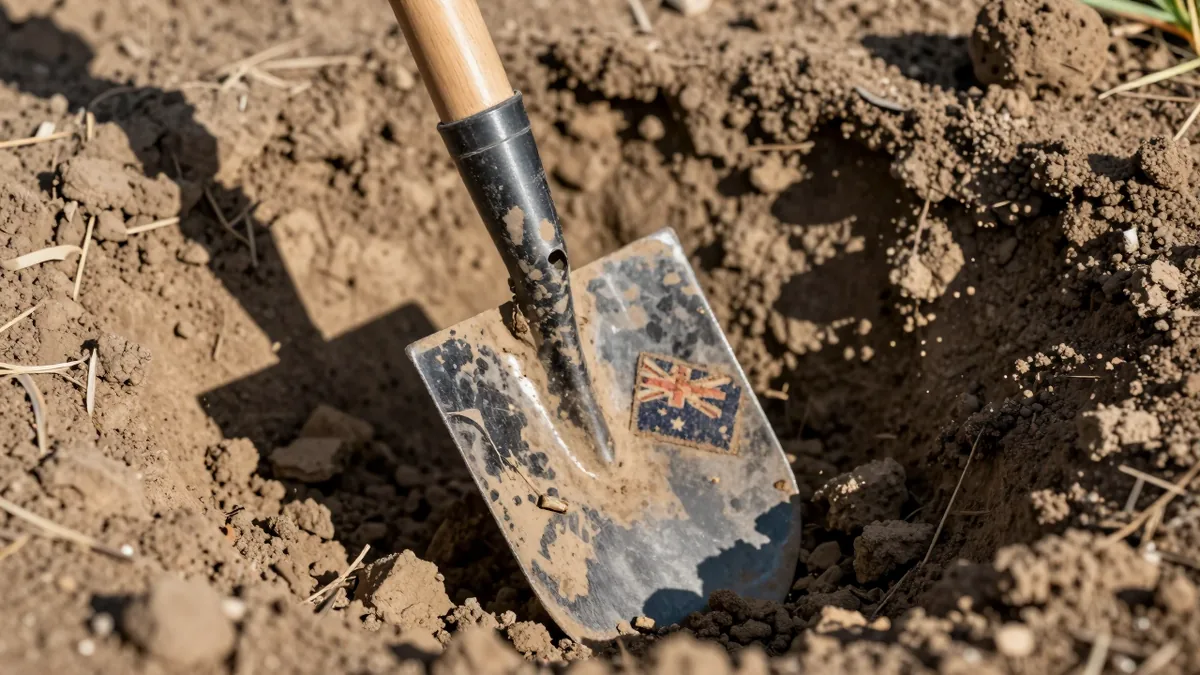
The Cowra breakout, which occurred in 1944, was the largest prison escape in World War II history, resulting in the deaths of over 200 Japanese POWs and 5 Australians.

Newly uncovered documents reveal the story of David Maltbie, a 17-year-old Connecticut teenager who successfully spied on the British during the American Revolution in 1776, narrowly avoiding execution. While Nathan Hale's failed mission is well-known, Maltbie's contributions to Washington's intelligence efforts remained hidden until recently.
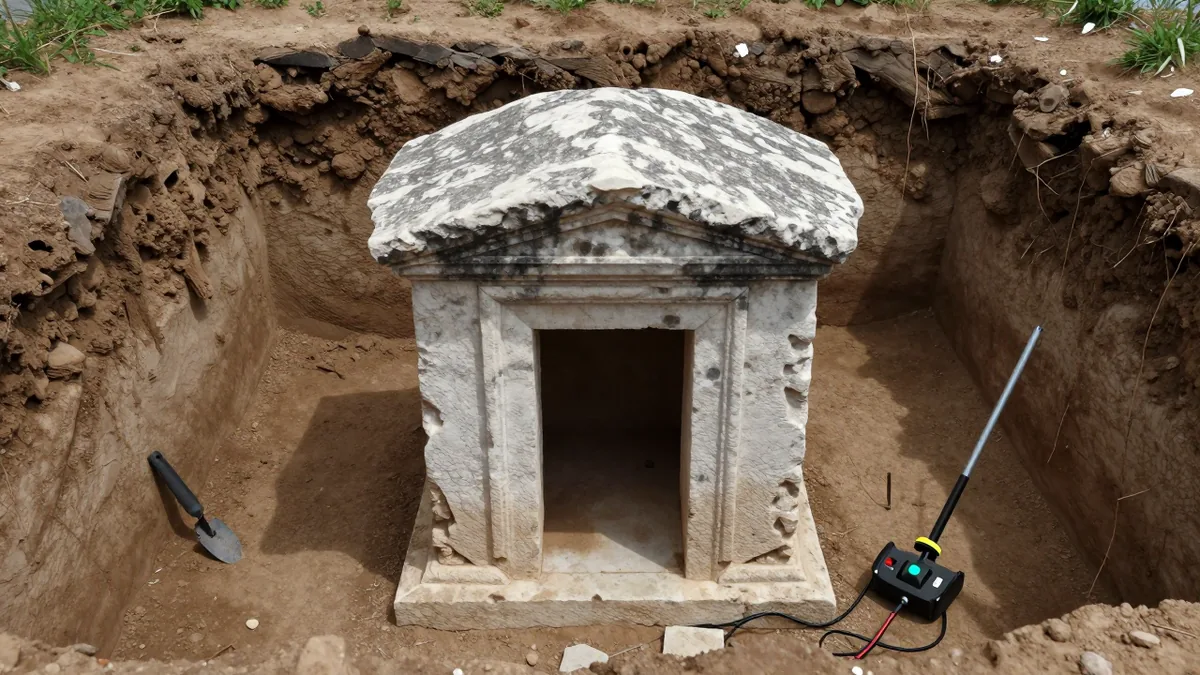
Archaeologists have discovered three ancient tombs at the Hittite capital city of Hattusha in central Turkey. The graves date back around 2,300 years and are distinguished by their circular stone structures.
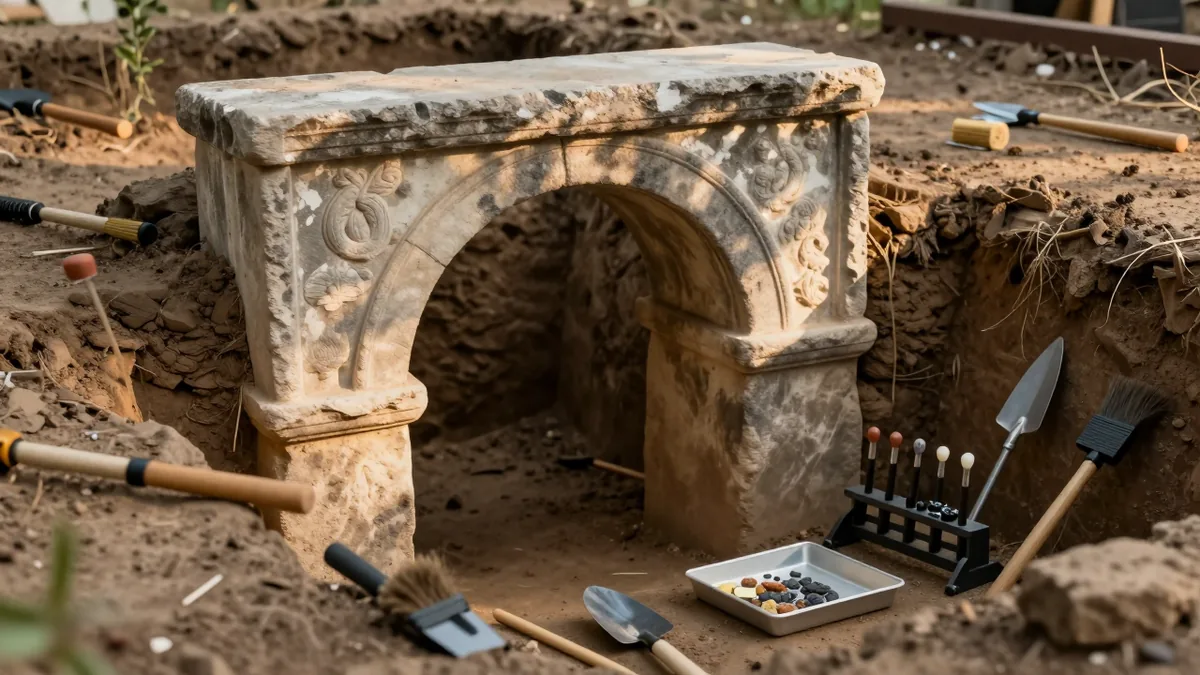
Archaeologists have uncovered the remains of a 16th-century hospital and church in Lima's historic district.
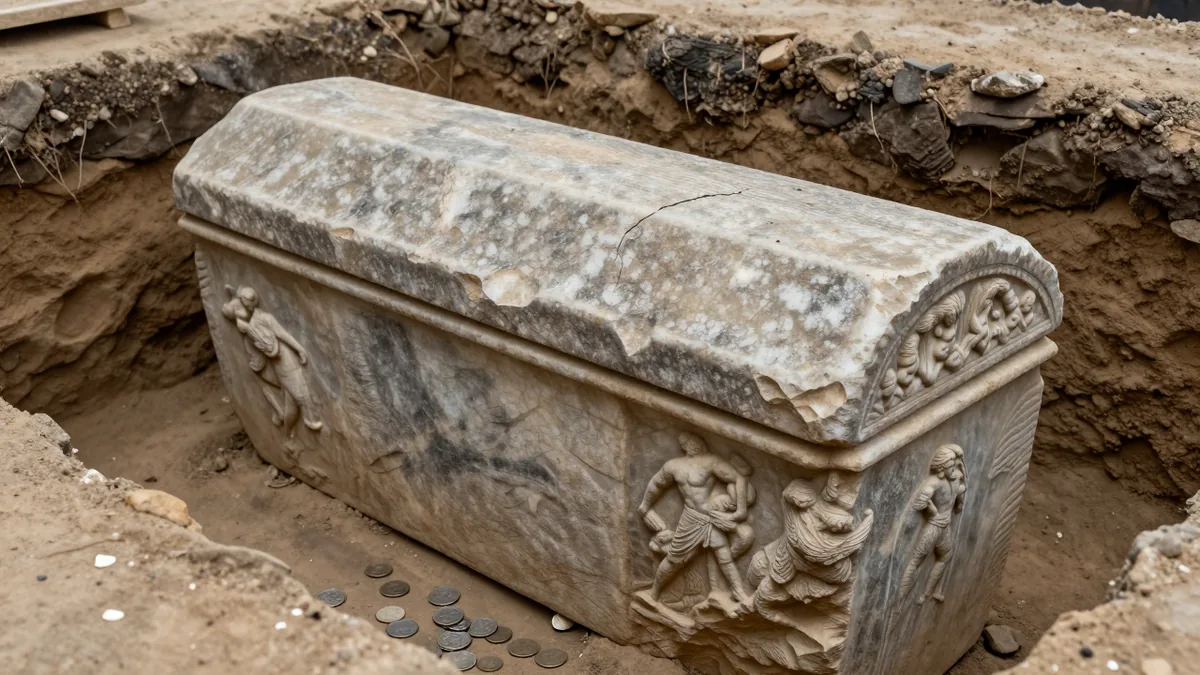
Archaeologists in Turkey have uncovered a 2,400-year-old grave lined with stones at the site of Aspendos, a Pamphylian city on the country's southern coast. The tomb contains locally minted coins bearing images of wrestlers, sparking speculation about the identity of the person buried there.
New stories are published through the day as reporting is confirmed. The homepage lists the most recent items first.
Every story carries a named source attribution. Our methodology page sets out which document types we treat as primary and how we handle estimates.
Each story carries a named byline. Author pages collect everything that writer has filed for this site.
Corrections are logged on a dedicated page with a date and a plain description of what changed, rather than edited in silently.