Regions & periods
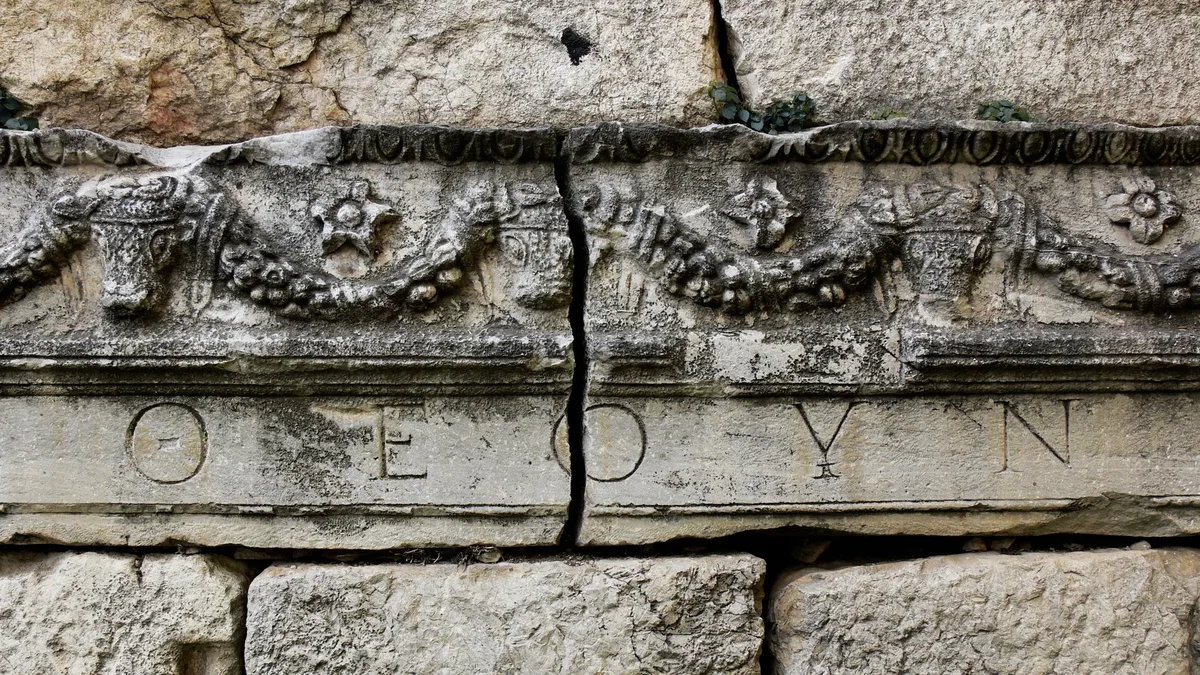
Centuries-Old Runestone Discovered in Faroe Islands Chapel
Archaeologists uncover a rare runestone embedded in the floor of a medieval Faroese chapel, shedding light on early Christian-Norse traditions.
Staff reporter at The Potsherd, covering Archaeology.
Archaeologists uncover a rare runestone embedded in the floor of a medieval Faroese chapel, shedding light on early Christian-Norse traditions.
Monumental cedar poles carved by the Haida people have been returned to their ancestral village in Canada's Pacific Northwest.
Archaeologists in western Norway have begun excavating a burial mound that may contain a previously unknown Bronze Age grave, buried beneath a Viking ship burial.

Archaeologists in China have discovered a well-preserved alcoholic beverage in a bronze vessel from a cemetery near the Great Wall, dating back to the Warring States Period. The drink, made primarily from broomcorn millet with traces of wheat and barley, was sealed with a double-layer technique that kept it intact for over two millennia.
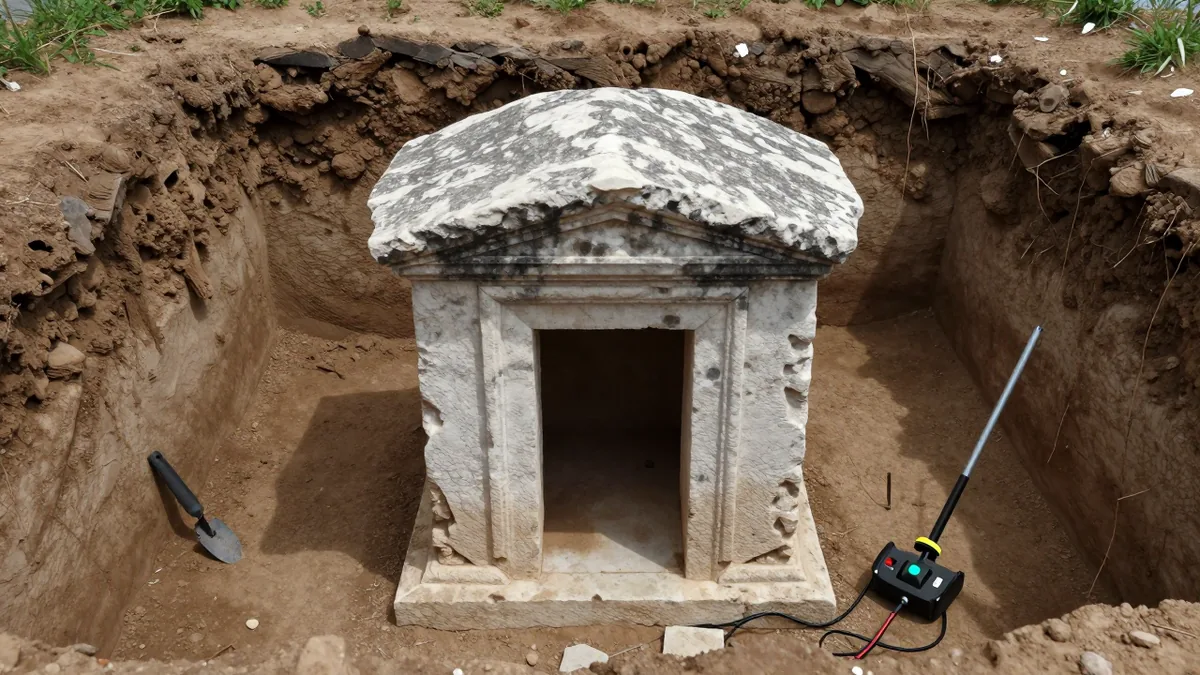
Archaeologists have discovered three ancient tombs at the Hittite capital city of Hattusha in central Turkey. The graves date back around 2,300 years and are distinguished by their circular stone structures.
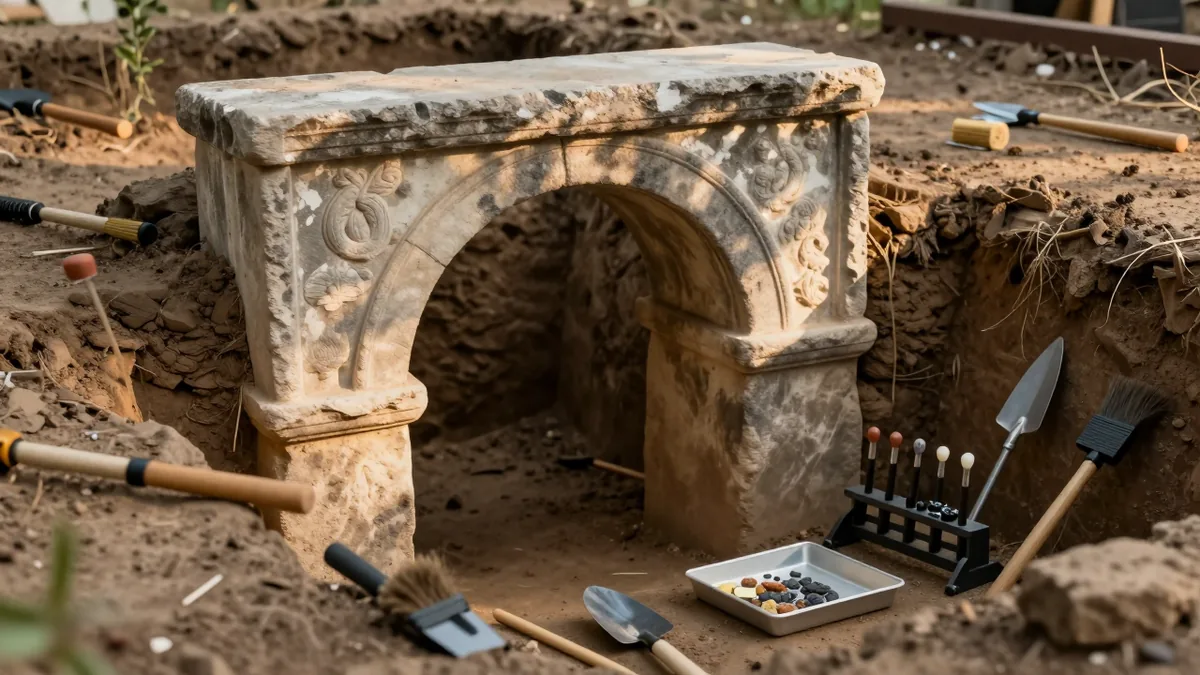
Archaeologists have uncovered the remains of a 16th-century hospital and church in Lima's historic district.
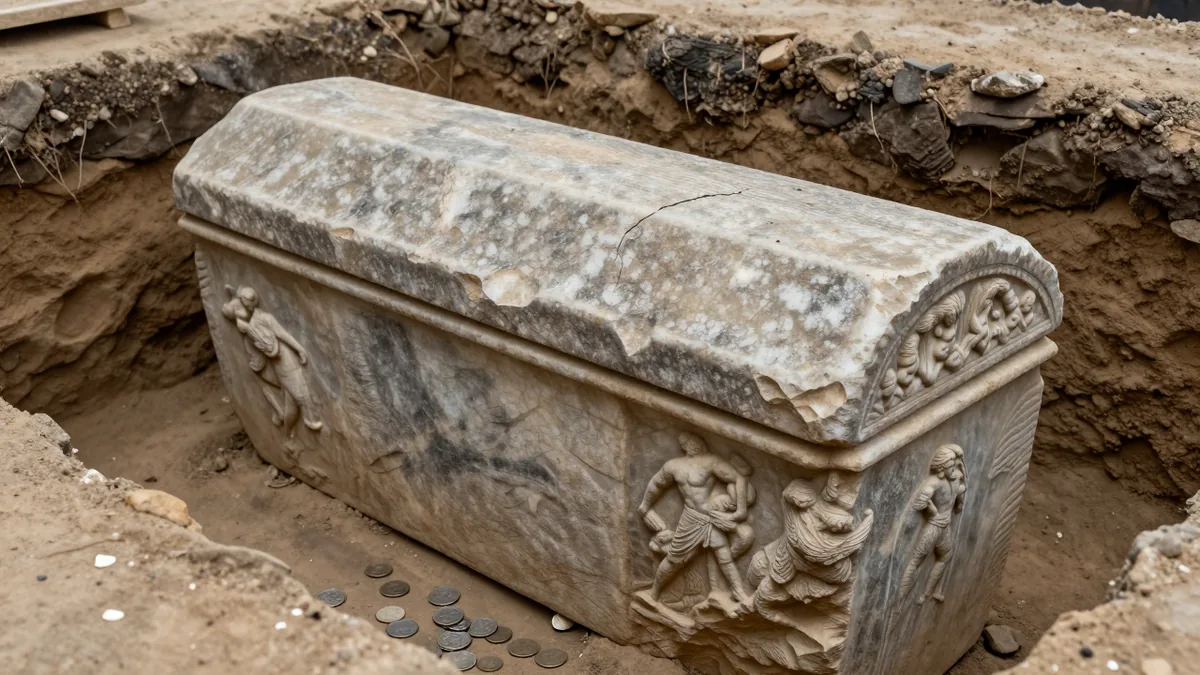
Archaeologists in Turkey have uncovered a 2,400-year-old grave lined with stones at the site of Aspendos, a Pamphylian city on the country's southern coast. The tomb contains locally minted coins bearing images of wrestlers, sparking speculation about the identity of the person buried there.
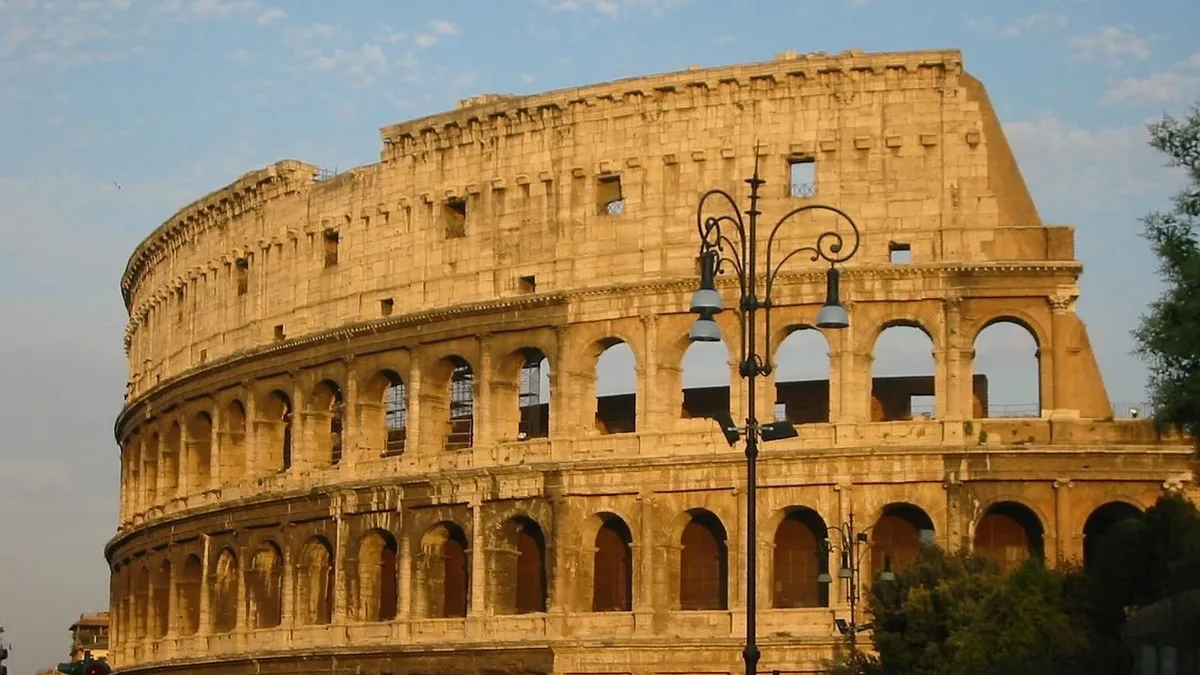
A Roman bridge in Bulgaria has been exposed by a heat wave in Europe, revealing its foundations and providing archaeologists with an unprecedented view of the ancient structure.
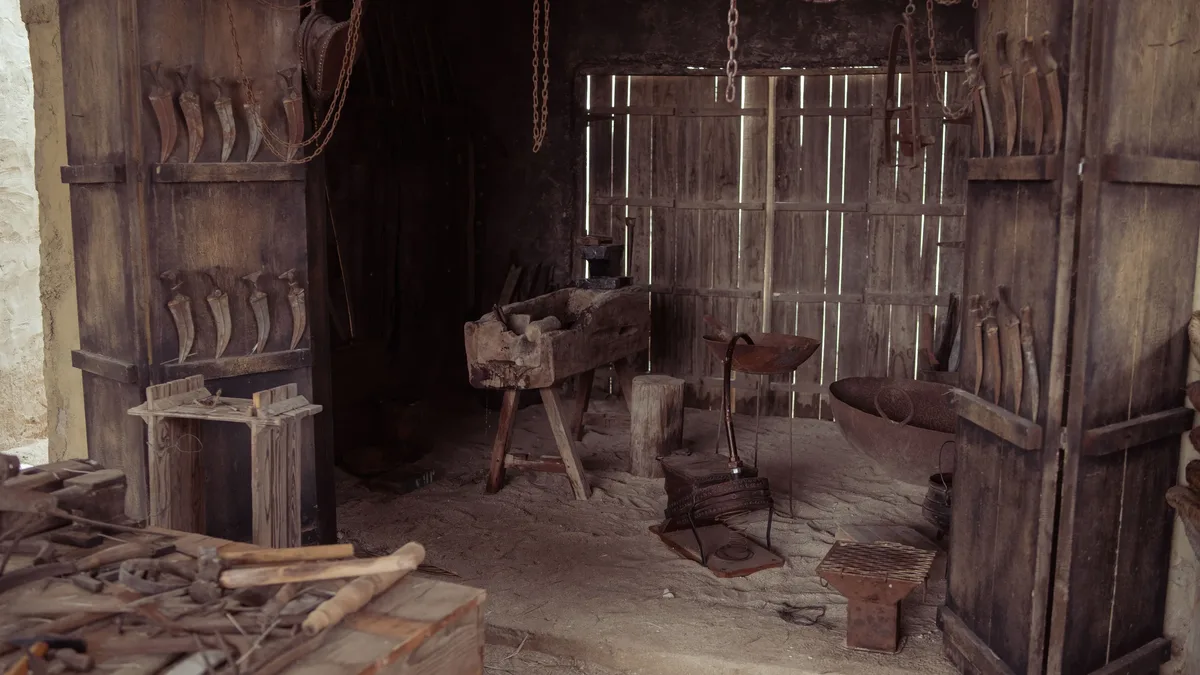
A 2,100-year-old Roman shipwreck carrying 500 amphoras, likely used for wine transport, has been discovered off Sicily's coast. The vessel, measuring 70 feet long and 20 feet wide, rests 150 feet underwater. Italian authorities and researchers will document the site and study its cargo.
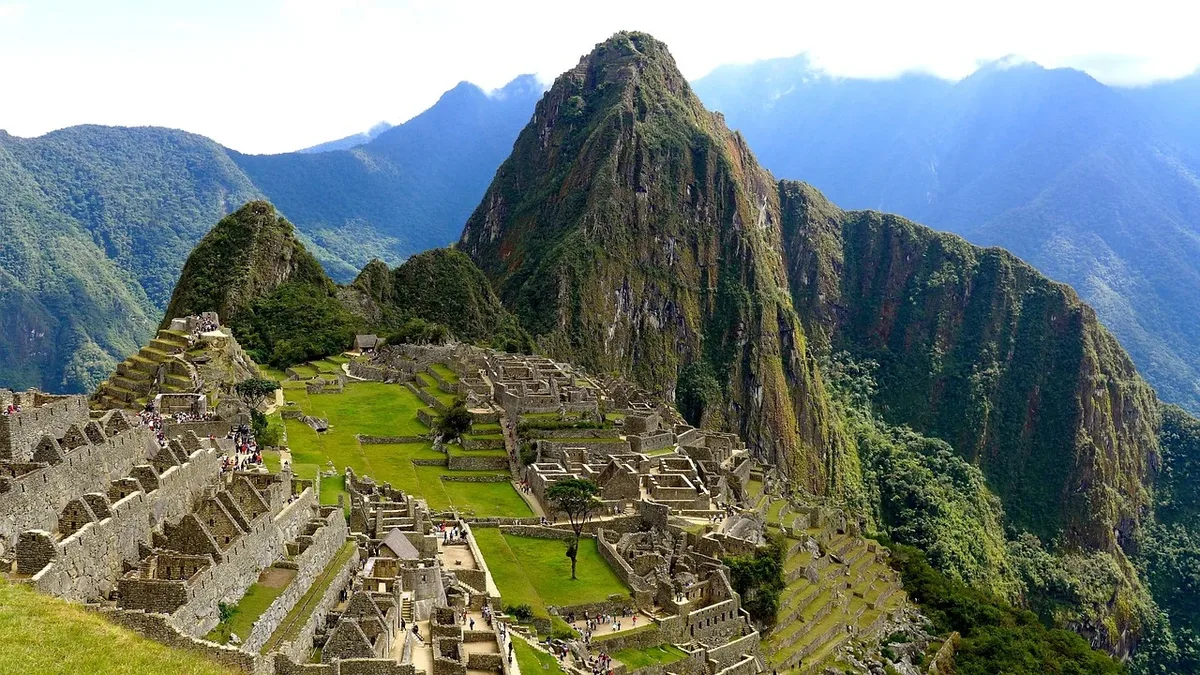
Archaeologists have discovered that a vast pre-Hispanic agricultural field network in Colombia was built and maintained by family groups working in cooperation.
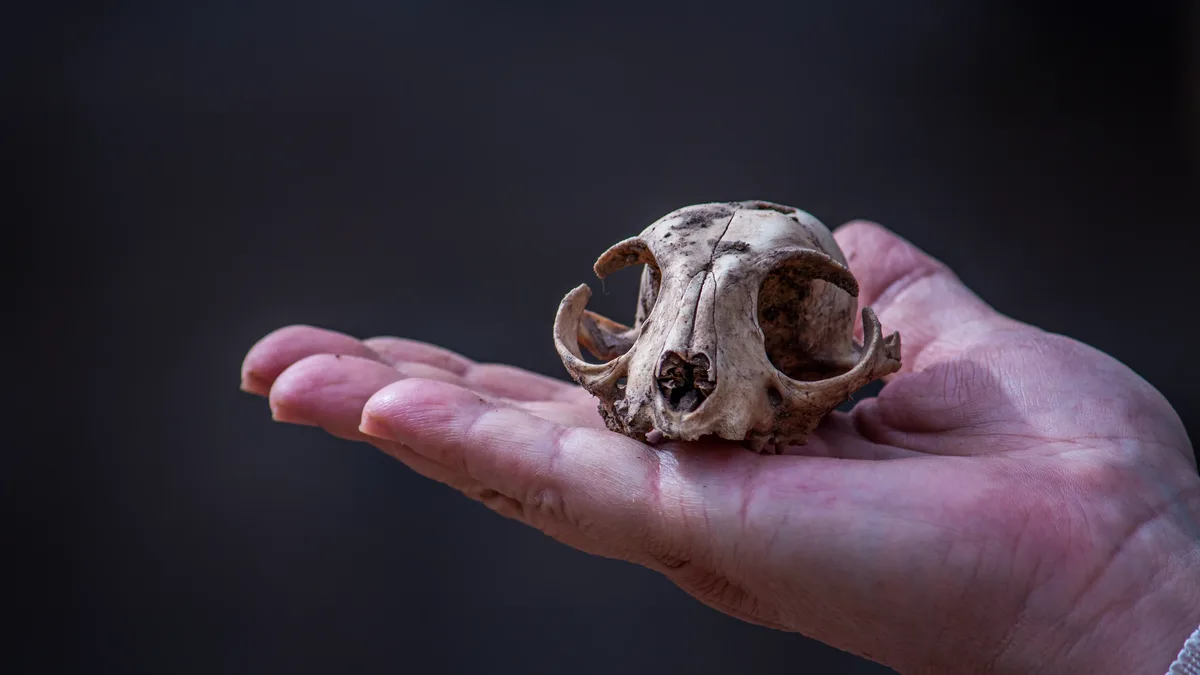
Archaeologists have made a significant discovery at a Moche pottery center in Peru, uncovering a vast array of ceramics and other artifacts.
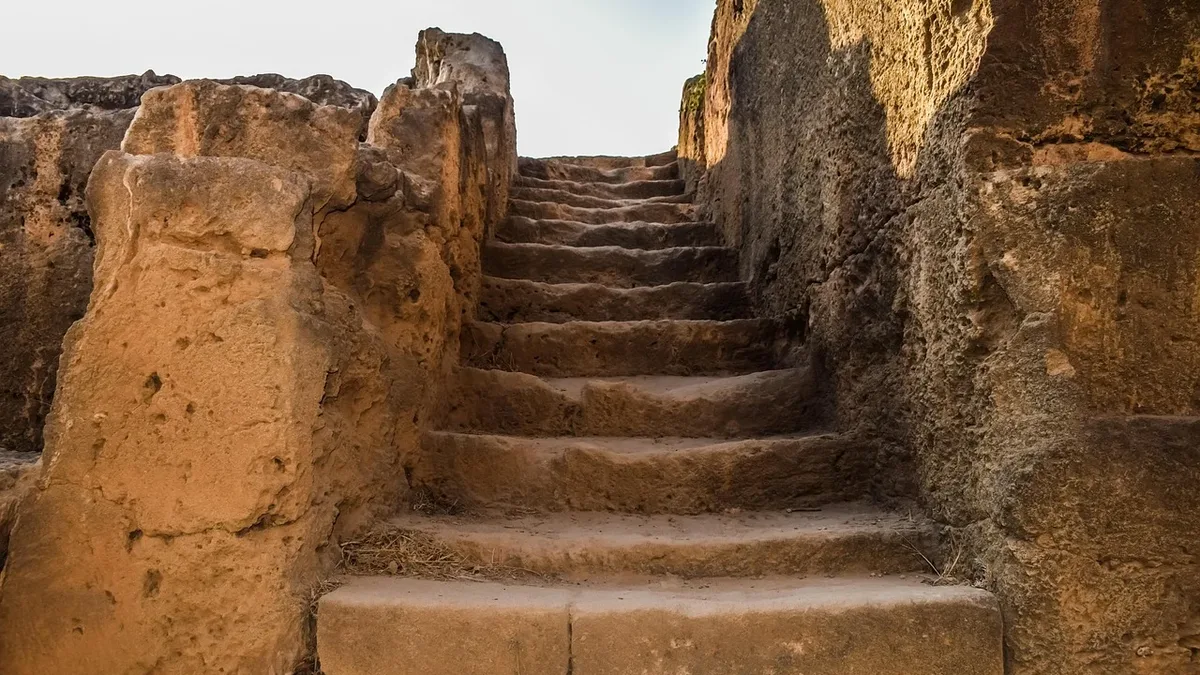
Researchers led by Rafael Gallareto-Sande have conducted a new study on Homo antecessor skull fragments, shedding new light on the hominin's cranial structure.

Archaeologists have discovered a necropolis in the eastern Nile Delta, containing burials dating from the Predynastic period through the Greco-Roman era. The site, located at Kom El-Khelgan, provides valuable insights into changes in settlement patterns, funerary traditions, and the relationship between communities and the environment over thousands of years.
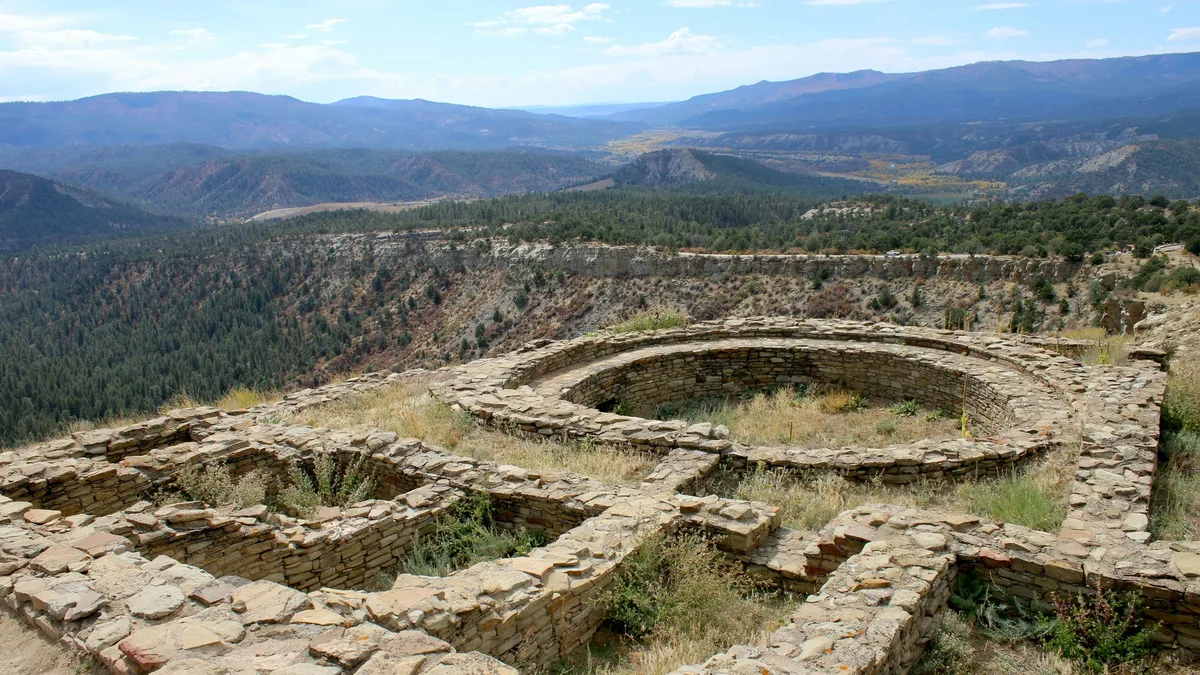
Archaeologists have discovered the remains of a medieval caravansery in North Sinai, Egypt. The structure, which dates back to the Mamluk Sultanate period, would have provided rest and shelter for merchants, mail carriers, and military forces traveling along the Sultan's Road.