Centuries-Old Runestone Discovered in Faroe Islands Chapel
Archaeologists uncover a rare runestone embedded in the floor of a medieval Faroese chapel, shedding light on early Christian-Norse traditions.
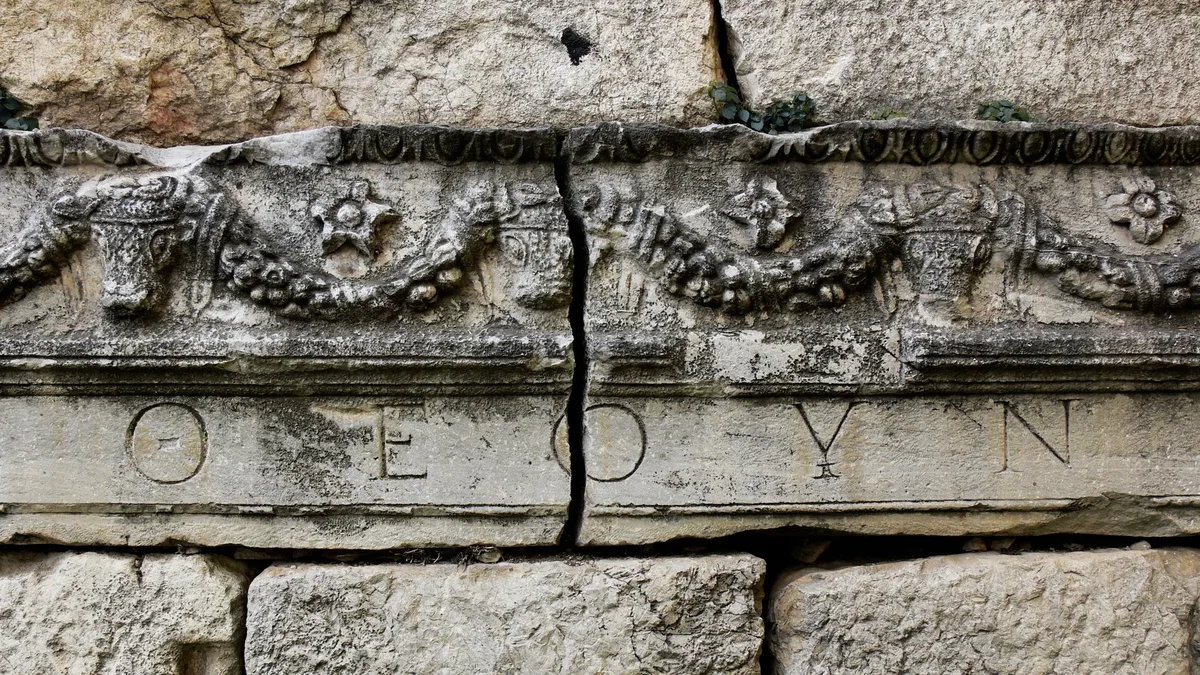
Archaeologists have uncovered a centuries-old runestone embedded in the floor of a medieval prayer house on the Faroe Islands. The discovery, made at the Á Sondum site on Sandoy, is one of only a few known runic inscriptions in the region. Experts from the National Museum have partially translated the inscription, identifying the Old Norse phrase 'Her hvílur,' meaning 'Here lies' or 'Here rests.' This suggests the stone may have marked a burial site for a significant individual.
## Rare Runic Inscription
Runestones are exceptionally rare in the Faroe Islands, making this find particularly significant. The partially deciphered text hints at a funerary purpose, though the full meaning remains unclear. The stone was found embedded in the floor of a chapel-like structure, reinforcing its possible role as a burial marker.
## Artifacts and Historical Context
Alongside the runestone, researchers recovered fragments of a small sculpture depicting the Virgin Mary holding the baby Jesus, as well as a *kola*, a type of small oil lamp. These artifacts date to around A.D. 1000, a period when Norse pagan traditions were merging with Christianity in the Faroe Islands. The discoveries provide valuable insights into the early Christian era on the islands.
## Archaeological Significance
The building and objects uncovered at Á Sondum offer new perspectives on the transition from paganism to Christianity in the Faroe Islands. The runestone, in particular, may help scholars better understand the cultural and religious shifts during this period. Further analysis of the inscription and associated artifacts could reveal more about the individuals and communities that once inhabited the site.